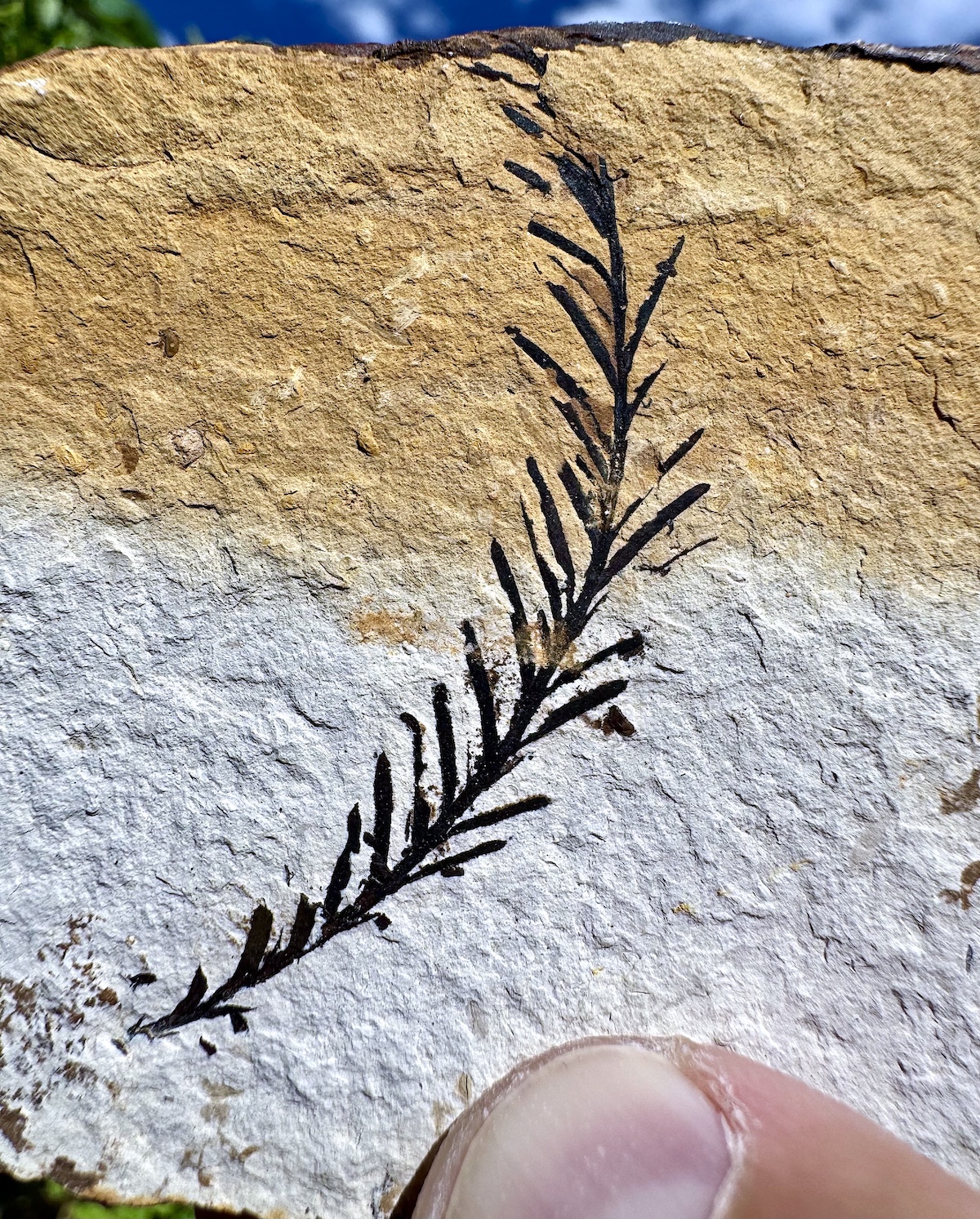
Every time you drive through Glacier National Park, cross the Continental Divide, or stand at the edge of the Yellowstone Plateau, you are standing on a story billions of years in the making. Most of us feel that weight without being able to name it — that sense that something enormous happened here, that the landscape is trying to tell you something you don’t quite have the language for. Rob Thomas has spent his career giving people that language. His new book, Montana Rocks! A Guide to Geologic Sites under the Big Sky, is the most accessible and comprehensive guide to Montana’s geological story ever written for a general audience — and it arrives just in time for summer.

The Professor Who Makes Geology Make Sense
Dr. Rob Thomas is a Professor of Geology in the Environmental Sciences Department at the University of Montana Western in Dillon. He is a Montana Regents Professor and Teaching Scholar, Montana Educator of the Year, and a Carnegie U.S. Professor of the Year — one of the most prestigious teaching honors in American higher education. He is a Fellow of the Geological Society of America and recipient of their Distinguished Service Award. His academic credentials are considerable. But what sets Thomas apart from most geologists is what he does with them.
Throughout his career, Thomas has seen public education as a primary calling. His Montana Geology Facebook page has more than 24,000 followers. He has co-authored geologic road signs along the Lewis and Clark Trail in Montana, led educational field seminars at Yellowstone for years, and taught trekking and climbing guides in the Himalaya. The through-line in all of it is the same: take something technically complex and make it genuinely understandable to people who love the outdoors but didn’t go to school for it.

Thomas has authored or coauthored more than 75 publications, including Roadside Geology of Montana and Roadside Geology of Yellowstone Country. The second edition of Roadside Geology of Montana, co-authored with Dr. Don Hyndman, received the High Plains Book Award in 2021. Montana Rocks! is the next chapter in that work — and by Thomas’s own account, the most ambitious thing he’s attempted.
Four Billion Years, Sixty Sites
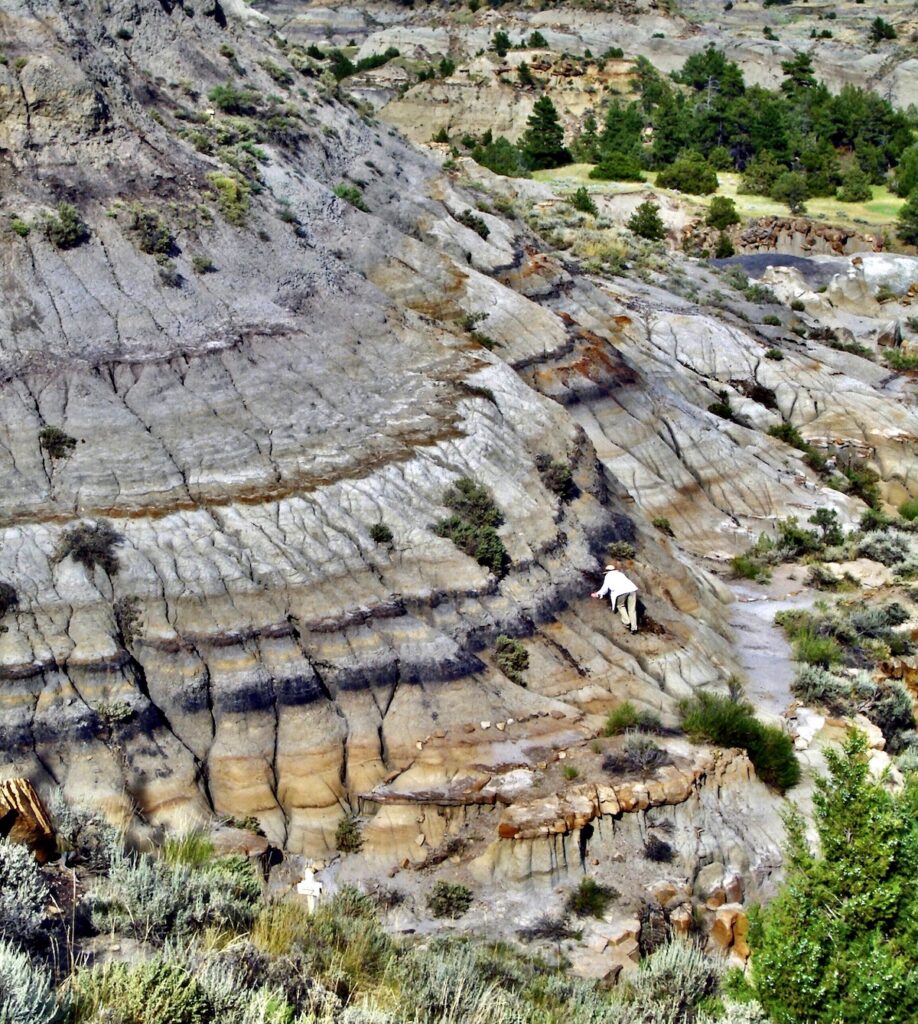
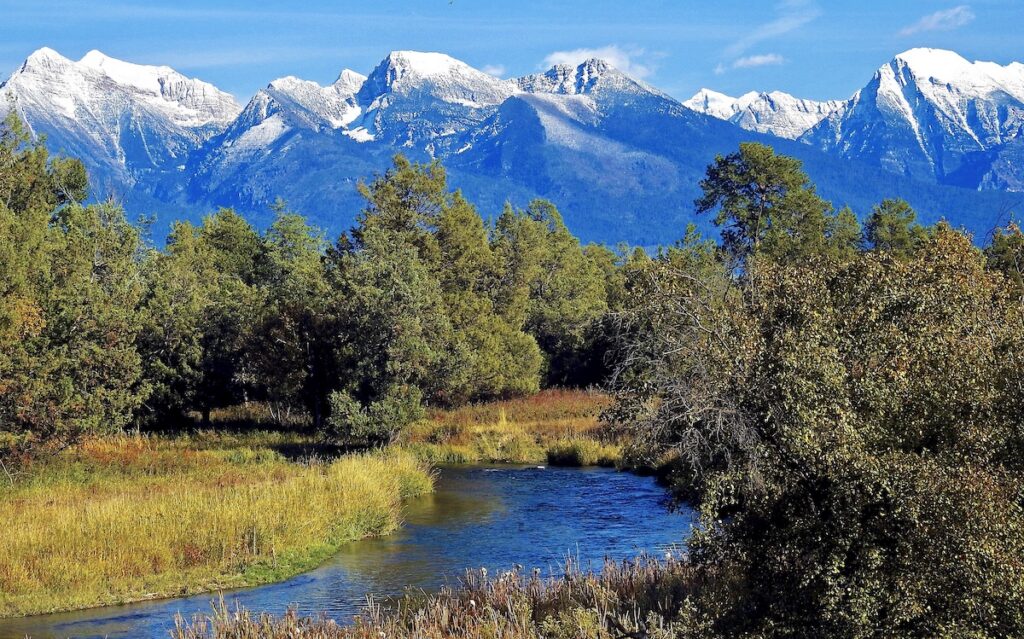
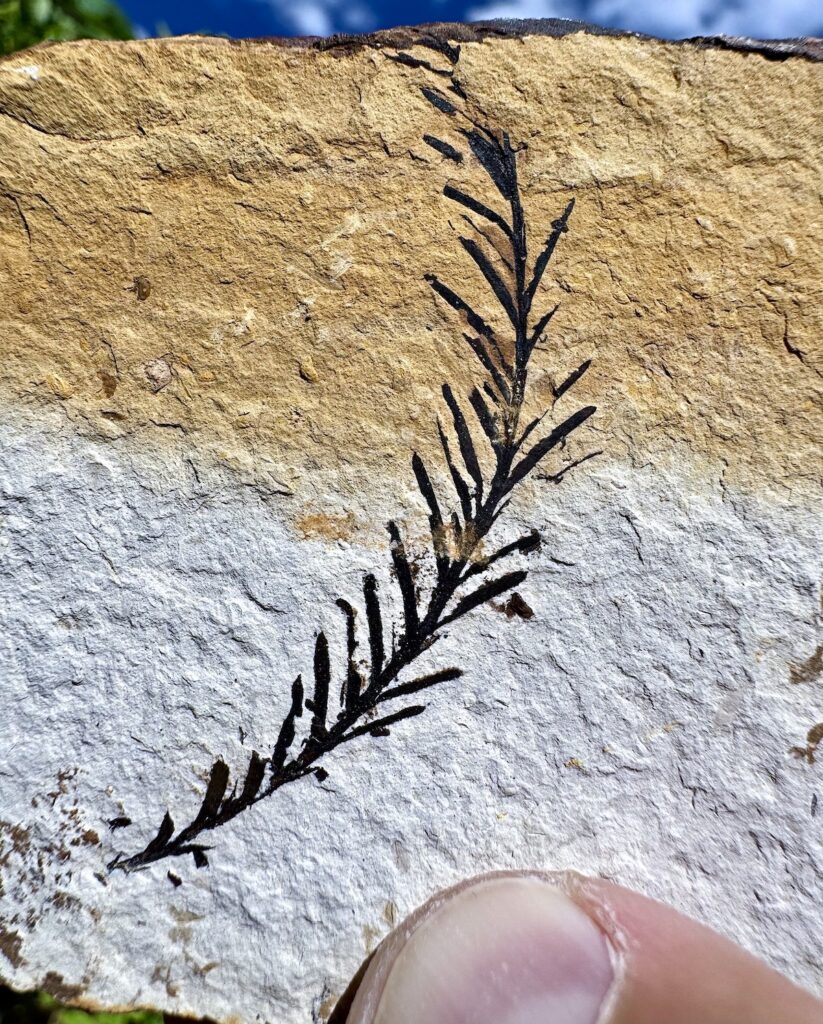
Every vista in Montana tells a geologic story. In Montana Rocks! Thomas selects sixty of the very best geologic sites to reveal how the Big Sky state’s landscapes were built, reshaped, and transformed over time. Each carefully chosen stop is a geologic time capsule, brought to life with beautiful photographs and clear maps and illustrations. The illustrations are the work of Chelsea M. Feeney, a geologic cartographer who has been producing maps and figures for Mountain Press Publishing and the Geological Society of America since 2009.
What makes Montana Rocks! different from a standard regional guidebook is its structure. Rather than arranging sites by region the way many guidebooks do, Montana Rocks! follows a timeline. The chapters move readers through nearly four billion years, from the oldest rocks tied to the continent’s early formation all the way to much more recent moments, including how people have interacted with the landscape. You’re not just visiting a location — you’re visiting a moment in deep time. That reframing changes how you see everything.
Thomas started assembling the book after finishing the second edition of Roadside Geology of Montana. Years of fieldwork and time on the road had already stacked up, but he wanted to put together something that went beyond a list of interesting places. “I wanted to tell the geological story of Montana, our deep-time history, billions of years in the making and told through the most spectacular places to see it,” Thomas said.


Written for the Rest of Us
The geology of Montana is legitimately staggering in scope. The state contains some of the oldest exposed Precambrian rock on the continent. The Rocky Mountain front rose here. Glacial Lake Missoula — one of the largest ice-age lakes in North American history — drained catastrophically through this landscape and reshaped the Pacific Northwest in the process. Yellowstone’s volcanic system sits at the state’s southern edge. The sheer variety of geologic forces at work in Montana, across that many billions of years, is the kind of subject that can either overwhelm a general reader or become endlessly fascinating. Thomas knows which direction he wants it to go.
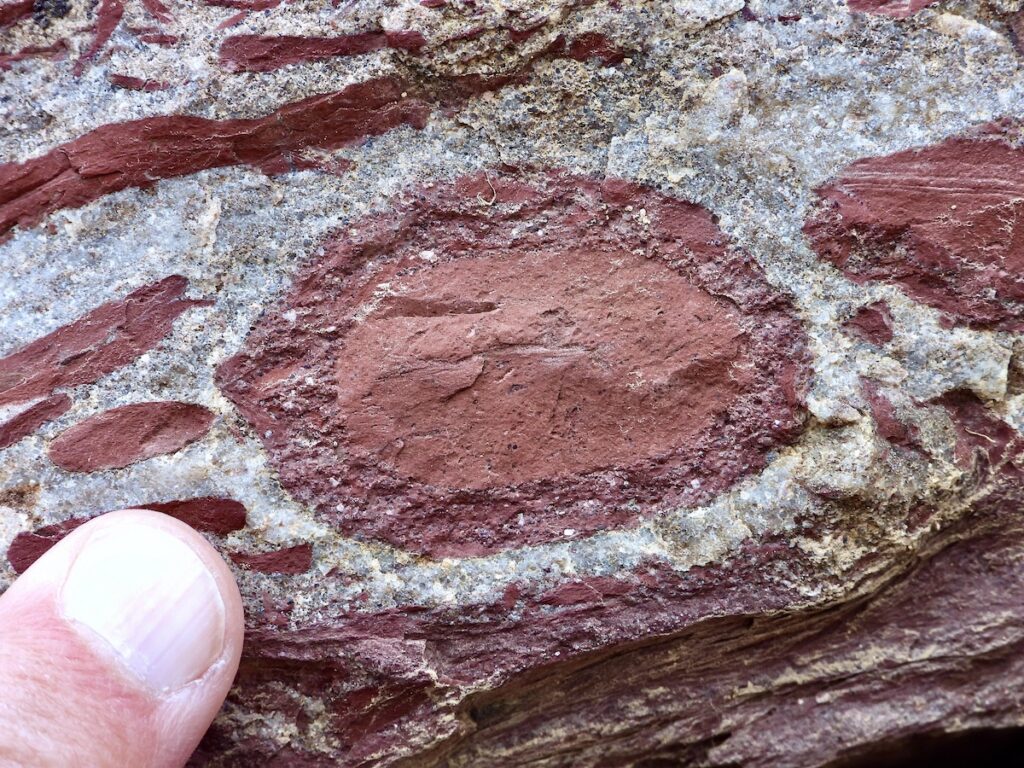
“This book tells the geologic story of Montana over the last 4 billion years in language accessible to the non-geologist,” Thomas said. That’s not a small thing to pull off. The photographs help — Thomas is also an accomplished field photographer, and the images in Montana Rocks! are the kind that make you want to put the book down and get in the car. Each site entry combines visual documentation with enough context to make the science stick without requiring a background in earth science.
A Field Guide Worth Carrying
For Montana Magazine readers, Montana Rocks! functions as something useful beyond a good read — it’s a field companion that changes how you experience the state. The 60 sites span the full geographic range of Montana, meaning wherever you’re headed this summer, there’s likely a stop in this book within driving distance. Pull it out at a highway pullout in the Bitterroot. Bring it to Glacier. Take it along the Hi-Line. The landscape you’ve been looking at your whole life will start talking back.
Montana Rocks! is published by the Geological Society of America and can be purchased through the GSA, Mountain Press Publishing in Missoula, and independent bookstores around Montana. Those looking for a signed copy can contact The Bookstore in Dillon, Montana, at 406-683-6807. It is also available directly through the Geological Society of America at $28.
Montana Rocks! is the kind of book that earns a permanent spot in the glove compartment. Rob Thomas has spent decades making the case that geology isn’t just for geologists — that the story of how this landscape came to be is inseparable from the experience of being here. This book makes that case better than anything he’s written before. Pick it up before your next drive through the state. You’ll never look at a roadcut the same way again.
All photographs courtesy of Robert C. Thomas.