Best Things to Do in Glacier National Park: The Complete Guide by Region
Finding the best things to do in Glacier National Park can be overwhelming. This million-acre wilderness straddling the Continental Divide offers hundreds of miles of hiking trails, pristine alpine lakes, glacially-carved valleys, abundant wildlife, and some of North America’s most spectacular scenery. With so much to see and limited time, knowing where to focus your energy makes the difference between a good visit and an unforgettable one.
I’ve explored Glacier National Park for over two decades—from easy lakeside strolls to multi-day backcountry expeditions, from photographing grizzly bears in the Lamar Valley to watching sunrise paint the peaks from Logan Pass. The park reveals different personalities depending on which region you explore: the lush rainforests of the west side differ dramatically from the windswept prairies meeting mountains on the east side.
This comprehensive guide organizes Glacier’s best activities by region rather than presenting a random list. This approach helps you plan efficient days, understand what each area offers, and make smart choices based on your interests, fitness level, and available time. You’ll discover iconic highlights like Going-to-the-Sun Road alongside hidden gems most visitors miss, with practical details on timing, difficulty, and seasonal access.

Quick Recommendations: Top Glacier Experiences by Interest
Short on time? Here are my top picks for different visitor types:
Best for First-Time Visitors: Drive Going-to-the-Sun Road, hike Hidden Lake Overlook Trail, visit Many Glacier Valley
Best Easy Activities: Trail of the Cedars, Lake McDonald boat tour, Going-to-the-Sun Road scenic drive, wildlife viewing in Many Glacier
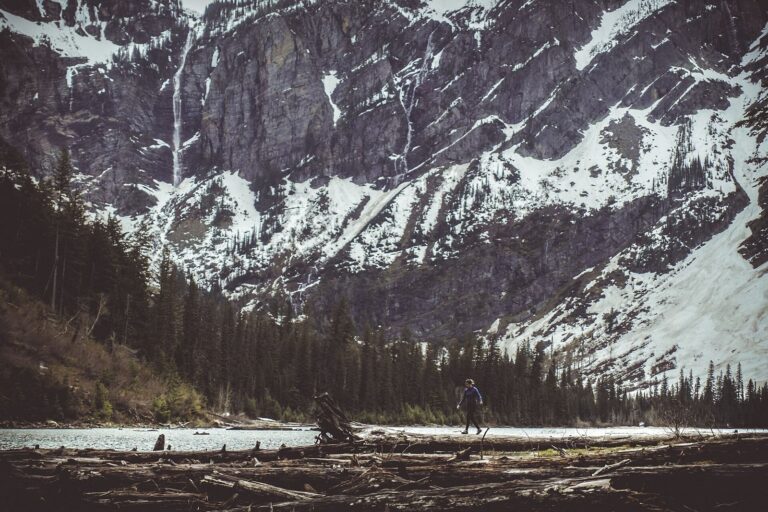
Best Moderate Hikes: Avalanche Lake, Iceberg Lake, Grinnell Lake, Scenic Point
Best Challenging Hikes: Grinnell Glacier Trail, Highline Trail to Granite Park Chalet, Dawson-Pitamakan Loop
Best for Wildlife: Many Glacier Valley (bears, bighorn sheep, moose), St. Mary area (elk, deer), North Fork (wolves, lynx)
Best for Photographers: Sunrise at Lake McDonald, Logan Pass golden hour, Many Glacier reflections, Two Medicine at dawn
Best Hidden Gems: Two Medicine Valley, North Fork backcountry, Bowman Lake, Kintla Lake
Best for Families: Trail of the Cedars, Running Eagle Falls, boat tours, Junior Ranger programs

Entry rules changed for 2026: vehicle reservations are gone, but the Logan Pass shuttle and parking limits are new. Our guide to Glacier’s 2026 changes covers what to plan around.
Understanding Glacier National Park’s Geography
Glacier National Park spans 1,583 square miles along the Canadian border. The Continental Divide runs through the park’s center, creating distinct ecosystems and weather patterns on either side.
If you want to know what you’re looking at, geologist Rob Thomas covers Glacier sites like the Purcell Sill in his field guide, Montana Rocks!
West Side: Receives more precipitation, features lush forests, temperate rainforest vegetation, and iconic locations like Lake McDonald and Going-to-the-Sun Road’s western portion. Generally milder temperatures and earlier snow melt.
East Side: Drier, windier, more dramatic mountain-meets-prairie landscape. Features Many Glacier Valley, St. Mary, and Two Medicine. Wildlife viewing is often better due to more open terrain. Colder temperatures and later snow melt.
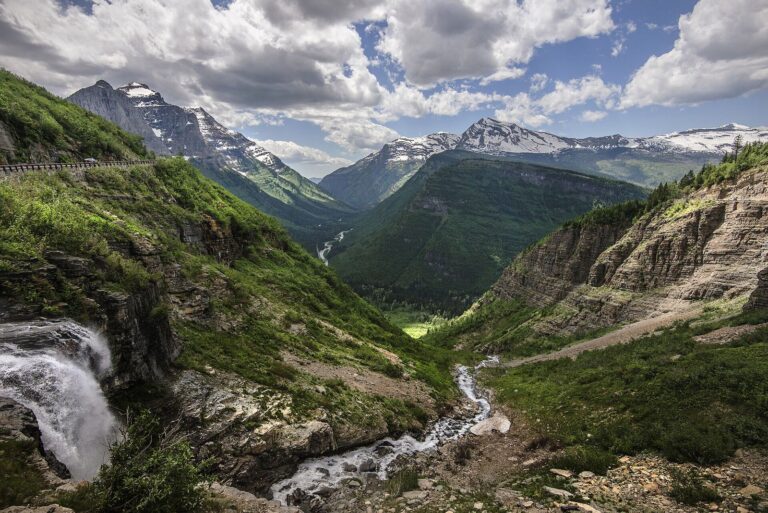
Going-to-the-Sun Road: The 50-mile engineering marvel connecting west and east sides, crossing Logan Pass at 6,646 feet. Typically open late June through mid-October, weather dependent.
Remote Valleys: North Fork and areas accessible only by long dirt roads or hiking offer solitude and wilderness experiences away from crowds.
For more information on when to visit based on weather and road openings, check our guide on the best time to visit Montana.

Before, during, or after your trip, you can check current conditions at Logan Pass, Many Glacier, and Lake McDonald using Montana’s live webcams — handy for tracking snow at the pass or just deciding if today’s the day to chase that perfect reflection shot. It’s also a good way to scratch the Glacier itch on a day you can’t be there in person.