Planning a trip to Montana? When you go matters as much as where. Whether you’re chasing wildflowers in alpine meadows, skiing fresh powder, or hoping to drive Going-to-the-Sun Road through Glacier National Park, the best time to visit Montana depends on what you want to do.
Montana is the fourth-largest state, and the seasons change it more than most visitors expect. Summer brings long days and open roads to every corner of the state. Winter brings skiing and snowmobiling. Spring brings newborn wildlife and full waterfalls, and fall brings yellow aspens and bugling elk.
As someone who’s experienced Montana in every season, I can tell you the best time depends on your interests, your budget, and how you feel about crowds. This guide breaks down every season and month to help you choose.
Quick Answer: The Best Time to Visit Montana by Travel Style
Best for first-time visitors: Late June through August. All roads are open, weather is reliable, and every attraction is accessible. Yes, it’s crowded and expensive.
Best for budget travelers: May or September. Hotel rates drop from summer highs, attractions are still open, and you’ll have elbow room at popular spots. May can be muddy and unpredictable; September is usually dry and mild.
Best for avoiding crowds: Early June or late September. Most tourists arrive in July and August, so going just before or after gets you in with fewer people. If Glacier is on your list, late September is the safer pick: the full Going-to-the-Sun Road usually doesn’t open until late June or early July (June 22 in 2026), and it stays open until around the third Monday in October.
Best for photographers: September through October. Aspens and larches turn in western Montana, the elk rut is on, and the low autumn light is good all day. Just be prepared for cold mornings and potential early snow.
Best for winter sports: January through February. This is peak powder season at Montana’s ski resorts, with consistent snow coverage and cold temperatures that keep the snow dry and fluffy.
Best for wildlife viewing: September through October (elk rut) or May through June (newborns and migration). Spring brings baby animals and migrating birds, while fall brings the dramatic elk rut when bulls bugle and fight for dominance.
Understanding Montana’s Four Distinct Seasons
Montana’s seasons are more dramatic than most places. The state’s northern latitude and high elevation create significant temperature swings and weather variability throughout the year.
Why Geography Matters
There’s no single Montana season. Western Montana, with its mountains and forests, experiences completely different weather than eastern Montana’s prairies. Bozeman and Billings are only 140 miles apart but feel like different climate zones.
Western Montana (Glacier, Missoula, Whitefish) is wetter and more moderate, influenced by Pacific air masses. Eastern Montana is drier, windier, and experiences more extreme temperature swings. Central Montana (Great Falls, Helena) sits somewhere in between.
For this guide, I’ll focus primarily on western and southwest Montana since that’s where most visitors spend their time: Glacier National Park, Yellowstone, Bozeman, and the ski towns.
Montana’s Weather Reality Check
Montana weather is famously unpredictable. Locals have a saying: “If you don’t like the weather, wait ten minutes.” I’ve personally experienced snow in July at Glacier, 70-degree sunshine in February in Bozeman, and three distinct weather patterns in a single afternoon.
The unpredictability comes from Montana’s geography. The state sits at the intersection of three major weather systems: Pacific air from the west, Arctic air from Canada, and continental air from the Great Plains. Before you head out, check our Montana webcams for live conditions.
Summer in Montana (June through August)
Summer is when most visitors arrive, and for good reason: the weather is reliable, every road is open, and there’s plenty to do.
What Makes Summer Special
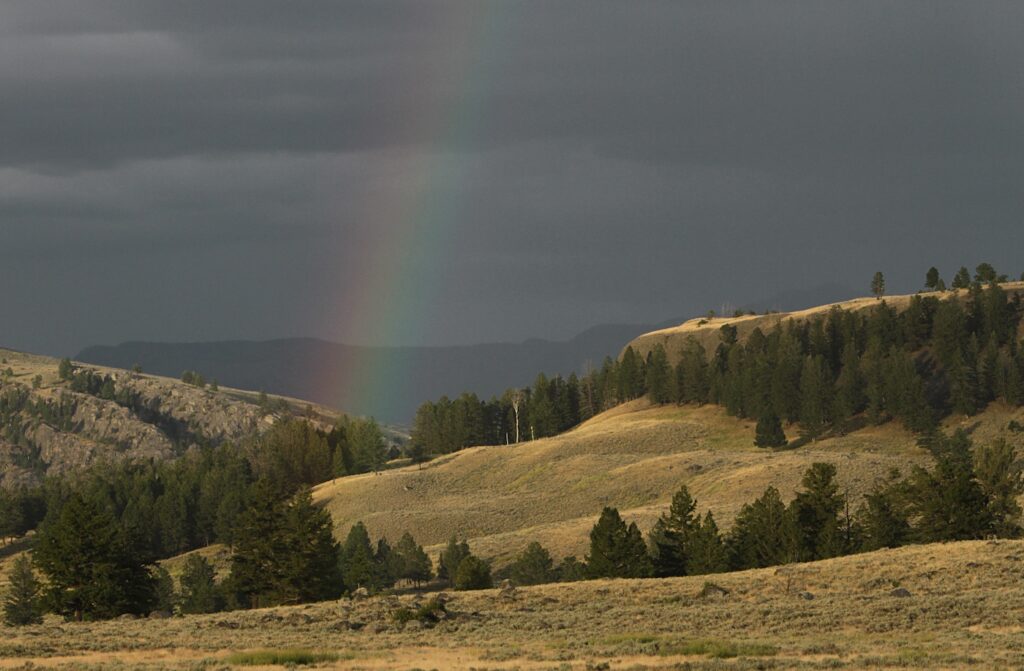
June through August delivers Montana’s warmest, driest weather. Temperatures typically range from the mid-70s to mid-80s during the day, dropping to the 40s and 50s at night. The days are long. In June you’ll have usable daylight until nearly 10 PM thanks to Montana’s northern latitude.
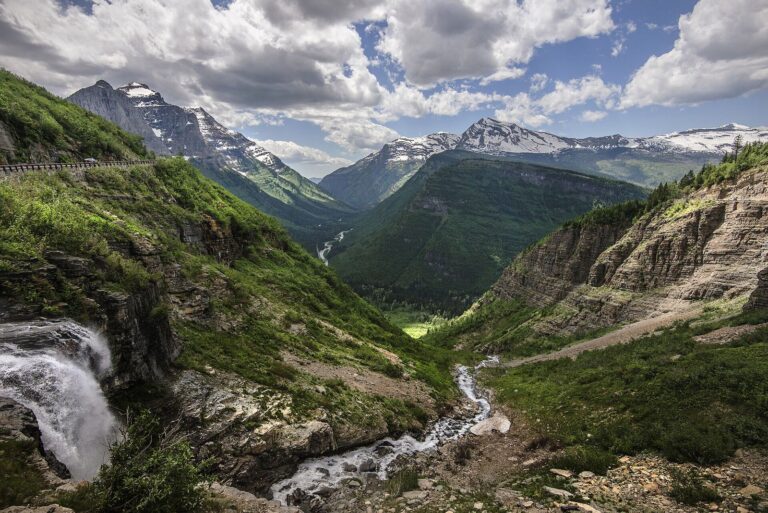
This is the only time of year when Glacier National Park is fully accessible. The full Going-to-the-Sun Road usually opens in late June or early July, depending on snow (it opened June 22 in 2026), and the alpine section closes around the third Monday in October. Our Going-to-the-Sun Road guide covers the stops, parking, and timing. Most backcountry trails become snow-free by late June or early July.
Yellowstone’s North Entrance at Gardiner is open to cars all year. Summer opens the rest of the park and the Beartooth Highway between Red Lodge and Cooke City.
Summer Activities
Summer is the season for hiking, backpacking, fishing, rafting, mountain biking, horseback riding, and camping. By July most trails are snow-free and the high-country wildflowers are out.
Fly fishing reaches its peak in June and July when rivers run clear and trout are actively feeding. Rafting trips operate on dozens of rivers throughout the state. Mountain biking trails in places like Bozeman and Missoula are dry and fast.
The Summer Downside
Summer’s popularity comes with real drawbacks. Glacier dropped its vehicle reservation system for 2026, so you no longer need a timed-entry ticket to drive Going-to-the-Sun Road. The crowds are still there. Starting July 1, parking at Logan Pass is limited to three hours, and the park can temporarily turn cars away when an area fills up. Our Glacier reservations guide covers the 2026 rules and the new shuttle.
Prices spike. In Bozeman, a downtown hotel room that runs $120 to $220 a night in spring costs $200 to $400 or more in summer (see our Bozeman lodging guide). Popular restaurants require reservations days in advance. Trailhead parking lots fill by 7 AM at Glacier’s most popular hikes.
Then there’s wildfire season. August, particularly late August, often brings smoky skies from regional wildfires. Some years are worse than others, but it’s a real consideration. I’ve had several trips where smoke obscured mountain views and made outdoor activities unpleasant.
Crowds are significant at major attractions. Yellowstone recorded 975,109 recreation visits in July 2025 alone, according to the National Park Service. If you want a trail to yourself in summer, start early or skip the famous spots.
Best Summer Month
Late June edges out July and August as the best summer month. Wildflowers are peaking, rivers are running high from snowmelt (great for rafting), and crowds haven’t reached their July-August peak. The catch is Glacier: Going-to-the-Sun Road opened June 22 in 2026, but in a heavy snow year the full road may not open until July. Temperatures are pleasant, bugs are manageable, and the landscape is still green.
Fall in Montana (September through November)
If I had to choose one season to show someone Montana, it would be September. Early fall has the open trails, mountain scenery, and good weather of summer, with smaller crowds and lower prices.
Why Fall Is Underrated
September through mid-October represents Montana’s sweet spot. Temperatures remain comfortable (60s and 70s during the day, 30s and 40s at night), most summer attractions are still operating, and the tourist crowds have largely dispersed once kids return to school.
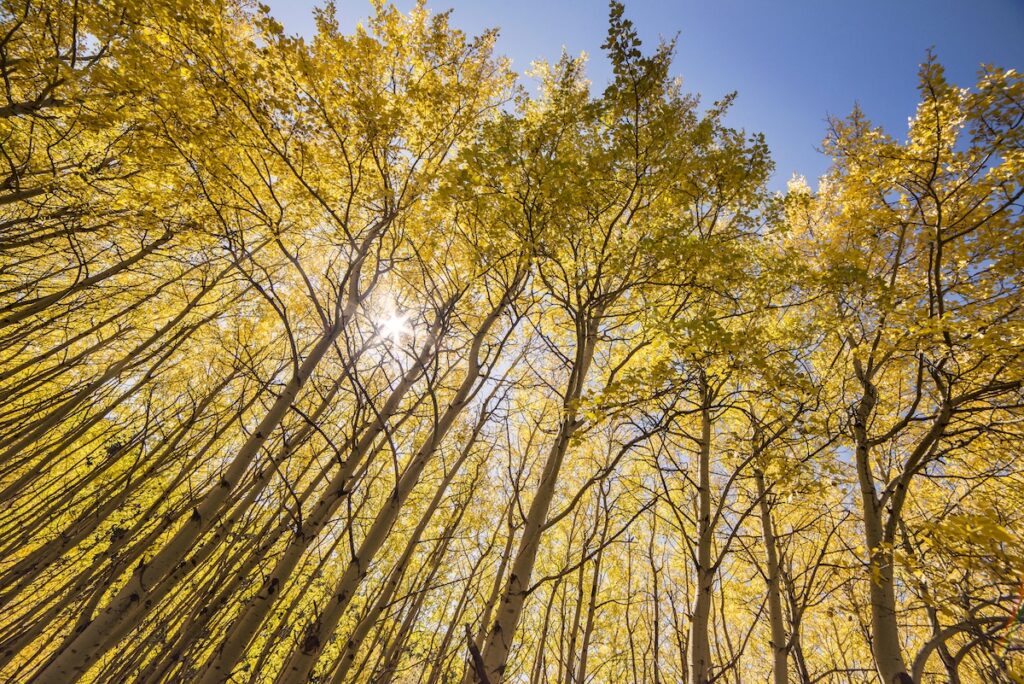
Aspens turn yellow, cottonwoods along the rivers go gold, and the high-country larches turn gold before they drop their needles. The color show typically peaks in late September through early October, depending on elevation and location.
Wildlife viewing actually improves in fall. September and October mark the elk rut, the breeding season when bull elk bugle across mountain meadows and clash antlers. It’s one of the best wildlife shows in the state.
Fall Activities
Hiking remains excellent through September and into early October. Trails are less crowded and the temperatures are good for long hikes. Just be prepared for shorter days and colder mornings.
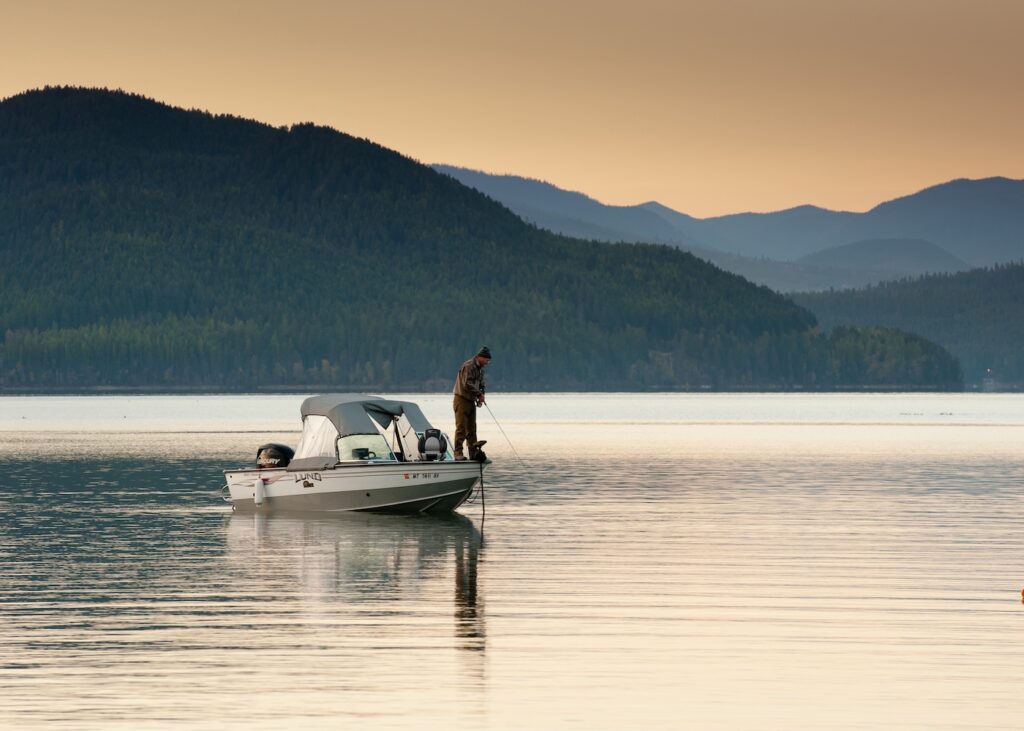
Fly fishing enters its “second season” in fall. Water temperatures cool, trout become more active, and anglers have rivers largely to themselves. Plenty of them prefer fall, because trout feed hard before winter.
Fall Realities
Weather becomes less predictable in fall. September can deliver perfect 70-degree days or sudden cold snaps with freezing temperatures. October brings an increasing risk of snow, particularly at higher elevations. I’ve been snowed on in early October more than once.
Some seasonal services begin closing in September. Certain campgrounds, restaurants, and tour operators shut down for the season, particularly in Glacier National Park. By late October, many services in resort towns operate on reduced schedules.
The alpine section of Going-to-the-Sun Road usually closes around the third Monday in October (October 19 in 2026), or sooner if snow arrives. Once it closes, you can’t drive across Glacier. You have to go around, which adds several hours.
Best Fall Month
September is the best fall month. You still get summer’s open trails, operating services, and good weather, plus fewer crowds, golden colors, active wildlife, and better prices. Early September still feels like summer; late September brings peak fall color.
Winter in Montana (December through March)
Montana winters are serious business: months of freezing temperatures, heavy snow, and conditions that demand respect. For skiers and anyone who likes real winter, it’s a great season.
Why Winter Visitors Come
Big Sky Resort offers some of the most extensive terrain in North America. Whitefish Mountain Resort provides excellent skiing without the Colorado crowds. Bridger Bowl near Bozeman is beloved by locals for its steep terrain and low prices. For lodging near Whitefish Mountain, see where to stay in Whitefish. For Bridger and Big Sky prices and road advice, see our Bozeman in winter guide.
The snow quality is exceptional. Montana’s northern location and relatively dry climate create light, dry powder. “Cold smoke” powder, the driest and lightest snow, is a regular occurrence.
Beyond skiing, winter offers snowmobiling, cross-country skiing, snowshoeing, ice fishing, and touring Yellowstone National Park by snowcoach or snowmobile. Winter Yellowstone is otherworldly: steaming geysers against snow, bison coated in frost, and far fewer people.
Winter Wildlife Viewing
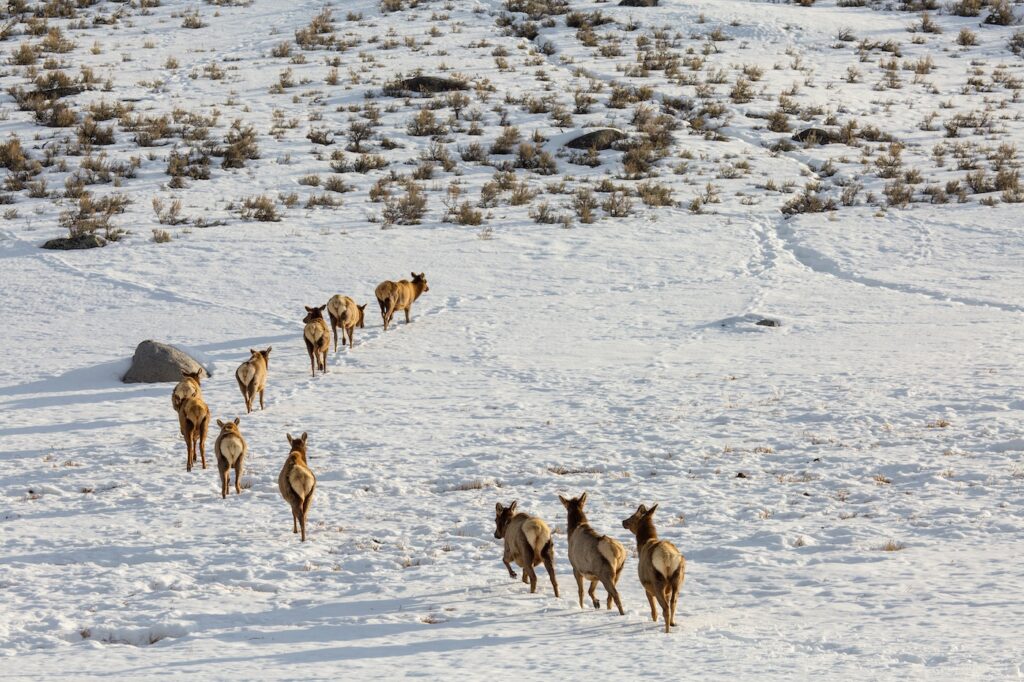
Wildlife viewing is actually excellent in winter. Animals stand out against white backgrounds, making them easier to spot. Bison, elk, wolves, and bighorn sheep gather in the lower valleys of Yellowstone’s Northern Range.
If you’re lucky and the conditions are right, northern Montana offers opportunities to see the aurora borealis. Long nights and dark skies help.
Winter Challenges
Montana winters are harsh. Temperatures regularly drop below zero, especially in January and February. Bozeman might be relatively mild (20s and 30s), but places like West Yellowstone and Cooke City can see weeks of sub-zero temperatures.
Winter driving requires experience and proper equipment, and four-wheel drive is often essential. Black ice, blowing snow, and whiteout conditions are real dangers. If you’re not comfortable driving in serious winter conditions, reconsider a Montana winter road trip or plan to fly into a ski town and stay put. Check road conditions on MDT’s 511 map before you leave.
Many attractions close entirely in winter. The alpine section of Going-to-the-Sun Road sits under deep snow and stays closed to cars until plows clear it the next summer. Most roads in Glacier are closed. Many businesses in summer tourist towns shut down from November through April.
Daylight is limited. In December and January, you might have only 8-9 hours of daylight. The sun rises late and sets early, so plan outdoor time around midday.
Best Winter Month
February is my pick for best winter month. The holidays are over (cheaper prices and fewer crowds), snow coverage is typically at its peak, days are noticeably longer than January, and temperatures often moderate slightly. You still get Montana winter’s full experience without January’s deepest cold.
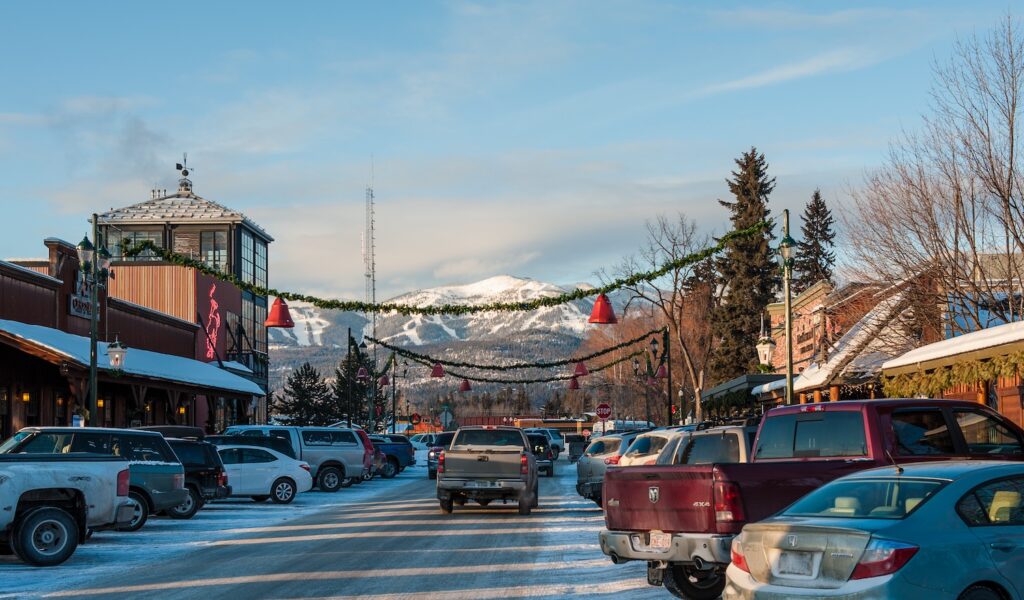
Spring in Montana (April through May): Mud Season Reality
Spring is Montana’s hardest season to plan for, because it’s unpredictable and visitors often misread it. In Montana, spring means mud season, then a fast green-up.
What Spring Actually Means
April in Montana is still very much winter at higher elevations. Snow continues falling in the mountains, roads remain closed, and ski resorts are still operating. Lower elevations begin thawing, which creates muddy, messy conditions.
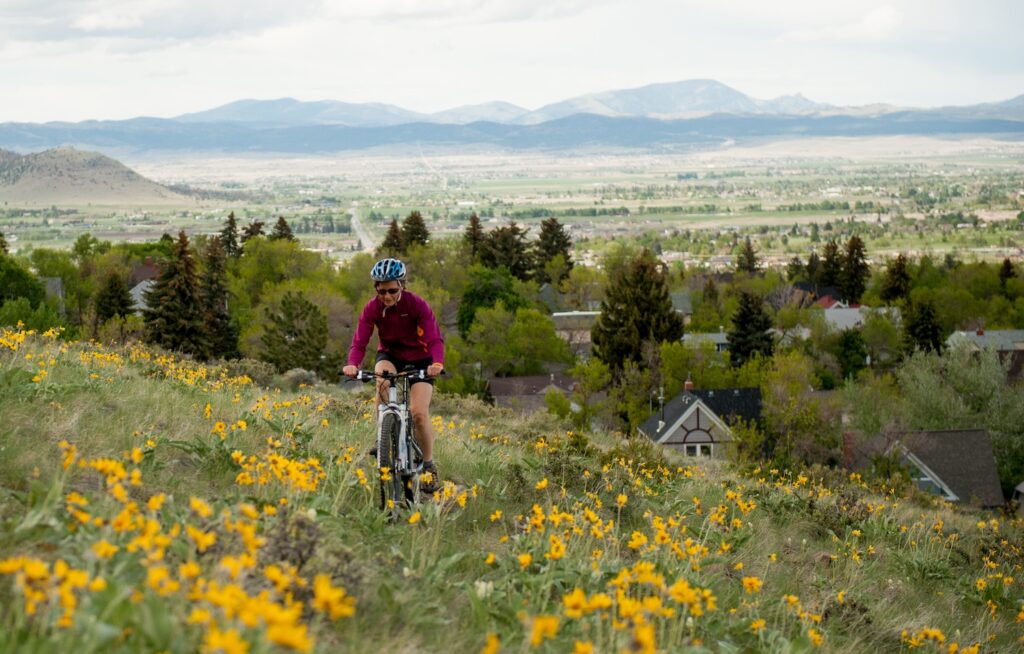
May is the transition month. Early May can still see snow in places like Bozeman and Missoula. Late May starts feeling like early summer, with green grass, blooming wildflowers, and warming temperatures. It’s beautiful if you hit it right.
Spring Advantages
The biggest advantage of spring is price and availability. Hotels charge off-season rates. Popular restaurants don’t require reservations. You can often book accommodations last-minute because few tourists are planning spring Montana trips.
Wildlife viewing is excellent in late spring. May brings baby animals: bear cubs, elk calves, and moose calves. Migratory birds return, making spring prime time for birders.
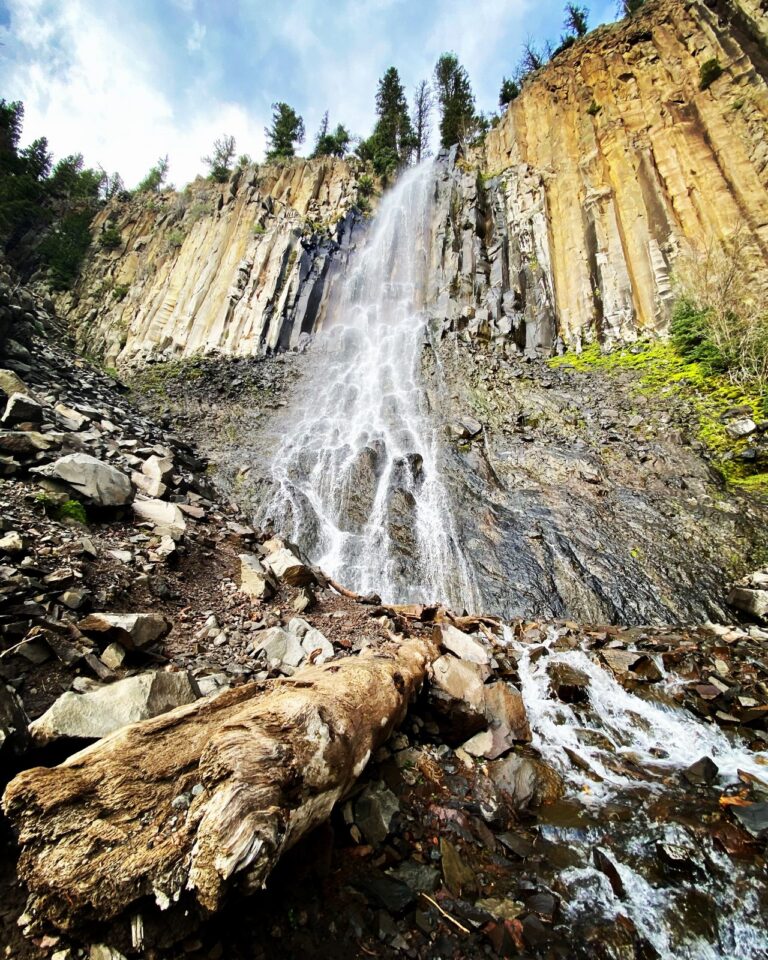
Waterfalls reach their peak flow in May and early June as snowmelt swells every creek and river. Trails might be muddy or snow-covered, but waterfalls are thundering.
Fishing season opens in many areas in May, and early-season fishing can be excellent for those who know where to look.
Spring Challenges
“Mud season” is a real thing. Trails become boggy messes. Dirt roads become impassable. Snow melts during the day and refreezes at night, creating icy slush that’s miserable to walk through.
Weather is highly unpredictable. You might get 70-degree sunshine one day and a blizzard the next. I’ve experienced both in the same week in May. Pack for all conditions because you’ll probably encounter them all.
Many attractions haven’t opened yet. Glacier’s Going-to-the-Sun Road usually doesn’t open fully until late June or early July. Some campgrounds, restaurants, and tour operators don’t begin their season until Memorial Day or June 1.
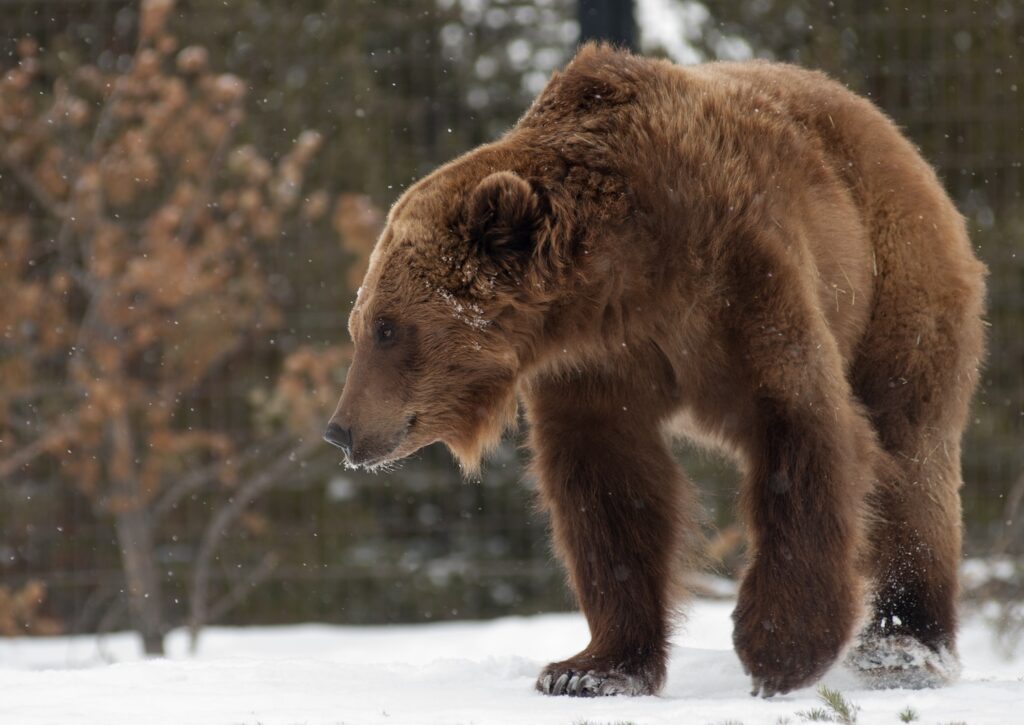
Bears are emerging from hibernation and are hungry, making bear awareness crucial. Grizzlies are actively searching for food in lower elevations during spring.
Best Spring Month
Late May is the only spring period I’d recommend to most visitors. By late May, the worst of mud season is over, temperatures are warming, wildflowers are beginning to bloom, and you’re getting summer’s benefits without summer’s crowds. Just be prepared for variable weather and limited access to high-elevation areas.
Month-by-Month Breakdown: What to Expect
January: Deep Winter
Weather: Cold. Daytime highs in the 20s and 30s in valleys; single digits or below zero in high country. Snow is consistent.
Best For: Serious skiers, snowmobilers, and people who love winter. Big Sky, Whitefish, and Bridger Bowl are in full swing. Winter Yellowstone tours operate. Ice fishing is popular.
Challenges: Short days (about 9 hours of daylight), frigid temperatures, potential for extreme cold snaps. Many businesses are closed or operating limited hours.
February: Peak Powder
Weather: Similar to January but days are noticeably longer. Temperatures might moderate slightly (30s during the day in valleys). Snow coverage is typically at its seasonal peak.
Best For: Skiing and snowboarding, with excellent snow conditions. Less crowded than holiday periods. Winter wildlife viewing in Yellowstone.
Challenges: Still very cold, especially at night. Winter storms can close roads temporarily. Limited services in tourist areas.
March: Spring Skiing
Weather: Transitional. Can be winter or can feel spring-like. Temperatures climb into the 40s and 50s during sunny days, but snow is still common. March can deliver the biggest snowstorms of the year.
Best For: Late-season skiing with longer days and warmer temperatures. Spring skiing has a different feel, with t-shirts and sunscreen on the slopes.
Challenges: Highly variable weather. Roads can be icy and dangerous. Shoulder season means some services are closed, and others haven’t opened yet.
April: Mud Season Begins
Weather: Unpredictable. Anything from 70 degrees and sunny to snow, sometimes on the same day. Lower elevations are thawing; higher elevations have deep snow.
Best For: Visitors on a tight budget who don’t mind limited access and variable conditions. April is great for avoiding crowds, but you sacrifice reliable weather and accessibility.
Challenges: Mud is everywhere. Trails are messy, dirt roads are impassable, and snow is melting. Many attractions are closed. Weather is volatile.
May: Spring Arrives (Sort Of)
Weather: Early May can still see snow. Late May feels like early summer. Temperatures range from 50s to 70s. Rain is common. Nights are cold (30s and 40s).
Best For: Late May is good for budget travelers willing to gamble on weather. Wildlife viewing picks up. Wildflowers begin blooming at lower elevations. Fewer tourists.
Challenges: Most high-elevation areas remain inaccessible. Going-to-the-Sun Road is closed. Many trails have snow. Services are still limited. Weather is highly variable.
June: Summer Preview
Weather: Early June can be wet and cool. Late June feels like summer. Temperatures climb into the 70s and 80s. Days are long (nearly 16 hours of daylight).
Best For: Late June is excellent for those wanting summer conditions with slightly fewer crowds. The full Going-to-the-Sun Road usually opens in late June or early July (June 22 in 2026). Wildflowers are spectacular.
Challenges: June is one of the wettest months in much of Montana. Early June can be chilly and rainy. High-elevation trails may still have snow. Mosquitoes can be intense in wet areas.
July: Peak Summer
Weather: Warm and dry. Daytime temperatures in the 80s (occasionally 90s). Cool nights in the 50s. Reliable sunshine. Afternoon thunderstorms are possible but usually brief.
Best For: Maximum accessibility. Every road, trail, and attraction is open. Long days allow you to pack in activities. Perfect weather for camping and backpacking.
Challenges: Crowds. Expensive accommodations. Three-hour parking limit at Logan Pass. Popular hikes are busy by 7 AM. Late July sometimes brings early wildfire smoke.
August: Still Summer, But…
Weather: Similar to July: warm and mostly dry. Temperatures might be slightly warmer. Wildfire smoke becomes increasingly likely, especially late in the month.
Best For: Families with school-age kids who must travel in August. Still beautiful, still accessible, but wildfire smoke is a significant risk.
Challenges: Peak crowds continue. Smoke from regional wildfires can be severe some years. Rivers run lower (less exciting rafting). Some wildflowers are done blooming.
September: The Golden Month
Weather: Warm days (60s and 70s), cool nights (30s and 40s). Usually dry with stable high pressure. Fewer thunderstorms than summer.
Best For: Nearly everyone. Crowds drop dramatically after Labor Day. Prices decrease. Weather remains excellent. Fall colors emerge. Wildlife is active.
Challenges: Days are noticeably shorter than summer. Some services begin closing, especially in Glacier. Early September can still see smoke from lingering wildfires.
October: Color Show
Weather: Cool to cold. Highs in the 50s and 60s early in the month, dropping to 40s and 50s later. Nights are freezing. Snow becomes increasingly likely, especially at elevation.
Best For: Fall foliage photography. October delivers peak color in many areas. Elk rut continues. Fewer services means fewer crowds.
Challenges: Weather can turn harsh quickly. Snow is likely in the high country and possible even in valleys. The alpine section of Going-to-the-Sun Road usually closes around the third Monday (October 19 in 2026). Many businesses close for the season.
November: Winter Transition
Weather: Cold and increasingly snowy. Temperatures in the 30s and 40s, often dropping below freezing. Snow accumulation begins in earnest.
Best For: People who love solitude and don’t mind limited services. November is quiet. Budget travelers who accept winter conditions.
Challenges: Shoulder season means many attractions are closed. Weather can be dreary. Ski resorts haven’t opened yet. Roads can be icy. It’s one of the least visited months.
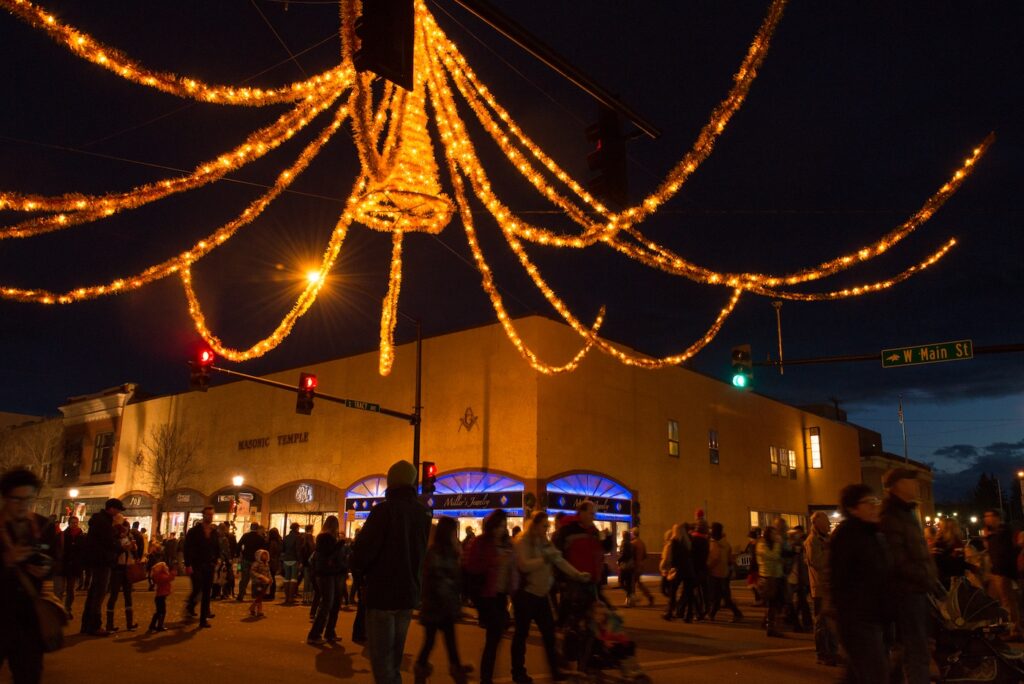
December: Holiday Season
Weather: Full winter. Temperatures in the 20s and 30s during the day, dropping to single digits or below zero at night. Snow is consistent. Short days (8-9 hours of daylight).
Best For: Holiday travelers. Ski resorts are opening. Winter Yellowstone tours begin.
Challenges: Holiday prices spike. Popular ski resorts get crowded during Christmas and New Year’s weeks. Extremely cold temperatures possible. Very short days.
Regional Differences: Western vs. Eastern Montana
Montana is huge, and the eastern and western parts of the state have different weather and seasonal timing.
Western Montana (Glacier, Missoula, Whitefish, Bozeman)
Western Montana is dominated by the Rocky Mountains and influenced by Pacific air masses. This region is:
- Wetter: Receives more precipitation, both rain and snow
- More moderate: Temperature extremes are less severe
- Greener: More forests, more vegetation
- Snowier: Heavy snowfall in the mountains
- Slower spring: Snow lingers longer at elevation
This is where most tourists focus because it includes Glacier National Park, Yellowstone’s three Montana entrances, and major ski resorts. Seasonal timing advice in this guide is primarily based on western Montana patterns.
Central Montana (Great Falls, Helena)
Central Montana transitions between western mountains and eastern plains:
- Windier: Wind is a constant presence
- Drier: Less precipitation than western Montana
- More extreme: Bigger temperature swings
- Earlier spring: Snow melts sooner than in the mountains
Eastern Montana (Billings, Miles City, Glendive)
Eastern Montana is Great Plains country with a totally different climate:
- Much drier: Semi-arid in many areas
- Windier: Sustained strong winds are normal
- Temperature extremes: Hotter summers, comparable winters
- Earlier spring: Green-up happens weeks earlier than western Montana
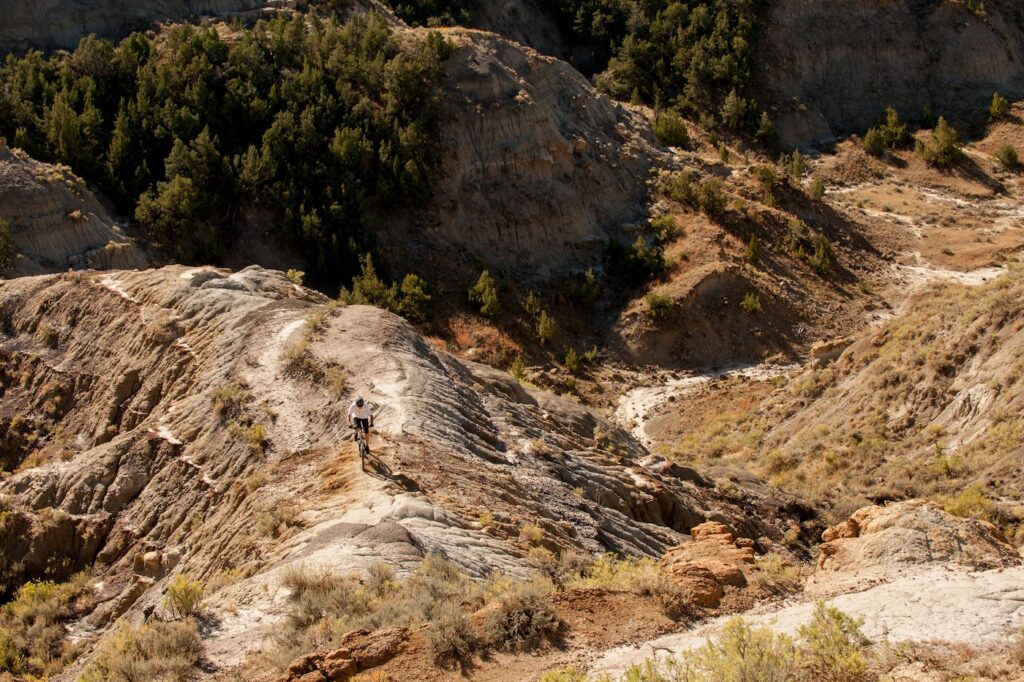
- Different landscape: Badlands, prairies, not mountains
If you’re visiting eastern Montana’s attractions (like Makoshika State Park or Medicine Rocks), use seasonal guidance as a general framework but expect drier, windier, and more extreme conditions than western Montana.
Best Time for Specific Activities
Hiking and Backpacking
Best months: July through September
High-elevation trails typically don’t become snow-free until July or even early August in heavy snow years. September offers the best combination of snow-free trails, pleasant temperatures, and fewer crowds. October is possible at lower elevations but risky due to early snow.
Fly Fishing
Best months: June through July and September through October
Spring runoff makes rivers too high and murky in late May and early June. Once rivers clear (typically late June), fishing is excellent through July. August can be challenging with low, warm water. Fall fishing (September-October) is often considered the best season by serious anglers.
Wildlife Viewing
Best months: May through June and September through October
Spring brings baby animals and migratory species. Fall brings the elk rut and increased activity as animals prepare for winter. Winter (December-February) offers excellent viewing in Yellowstone’s Northern Range and Lamar Valley.
Photography
Best months: September through October
Fall’s golden colors, slanted light, active wildlife, and dramatic weather create ideal photography conditions. Wildflower photography is best in July and early August at high elevations.
Skiing and Snowboarding
Best months: January through February
Peak snow season typically runs December through March, but January and February offer the best combination of snow coverage, powder conditions, and operating lifts. March offers longer days and warmer temperatures but variable snow conditions.
Rafting and Kayaking
Best months: May through July
Snowmelt creates the highest water levels and most exciting rapids in May and June. By late July and August, many rivers run too low for good rafting. Some rivers remain good through August.
Visiting Glacier National Park
Best months: Late June through September
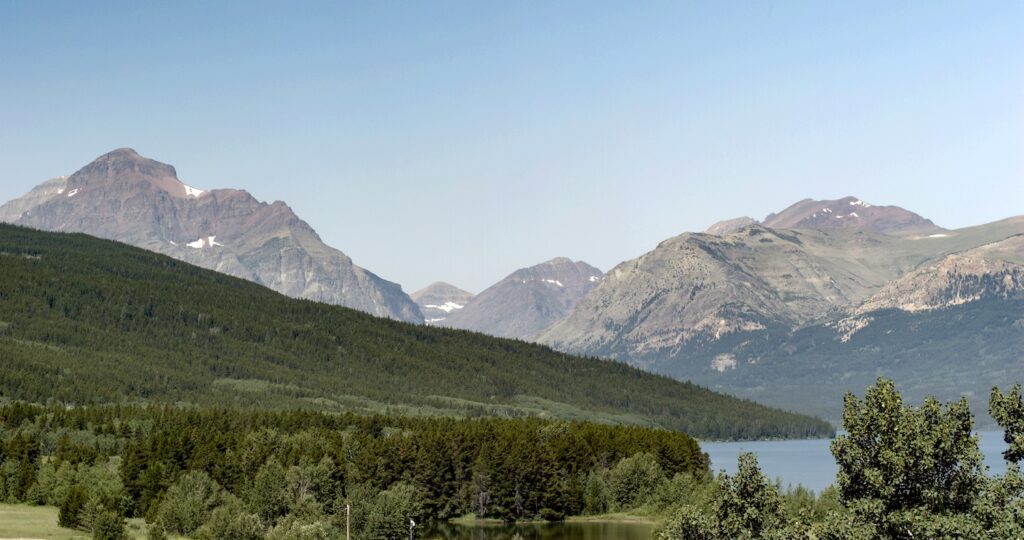
The full Going-to-the-Sun Road usually opens in late June or early July and closes around the third Monday in October. July and August bring the most reliable access and the biggest crowds, though a heavy snow year can push the opening into July. September is the sweet spot for many visitors. To plan the trip, see our 3-day Glacier itinerary and our guide to where to stay near Glacier.
Crowd Management Strategies
Glacier and Yellowstone get crowded in July and August. A few ways to handle it:
Visit During Shoulder Seasons
The simplest strategy is timing. Visit in June (before July-August peak) or September (after Labor Day). Crowds at Glacier and Yellowstone thin out once school starts, and the weather usually holds.
Arrive Early or Stay Late
Popular trailheads in Glacier fill their parking lots by 7 AM in July and August. Arriving by 6 or 6:30 AM gives you the best shot at parking and quiet trails for several hours. Alternatively, start hikes in late afternoon when day-trippers are leaving.
Explore Alternative Destinations
While everyone flocks to Glacier’s west side, the Two Medicine area on the east side offers similar beauty with far fewer people. Instead of Old Faithful in Yellowstone, explore lesser-known geyser basins.
Use Midweek Timing
Weekends are noticeably more crowded than weekdays, even in national parks. If your schedule allows flexibility, plan major attractions for Tuesday through Thursday.
Consider Winter Visits
Yellowstone in winter gets a small share of summer’s crowds. A snowcoach or snowmobile tour gets you to the famous sights without the summer traffic, and the road from Gardiner to Lamar Valley stays open to cars all year. Our Bozeman in winter guide covers how to do it from Bozeman.
Budget Considerations by Season
Your Montana trip’s cost varies dramatically depending on when you visit:
Peak Season (July-August)
Expect to pay premium prices for everything. Popular restaurants require reservations, and rental cars are expensive. For real numbers on one town, see our Bozeman trip budget guide.
Shoulder Season (June, September)
Prices drop outside July and August. Early June and September offer the best value, with good conditions and lower costs. September is also a good time for day trips from Bozeman, while Yellowstone’s west-side roads are still open to cars (they close in early November).
Off-Season (October-May)
If you can handle winter conditions or accept limited spring access, you’ll save considerably. Ski town hotels offer deals outside holiday periods. Some businesses close entirely, but those that remain open charge off-season rates.
Holiday Periods
Christmas week, New Year’s, and Presidents’ Day weekend in February see price spikes at ski resorts that rival or exceed summer peak pricing. Book well in advance for these periods.
What to Pack for Each Season
Summer (June-August)
Pack layers. Even in July, mornings start cold (40s and 50s) before warming into the 80s. Bring lightweight hiking clothes, a warm fleece or puffy jacket for mornings and evenings, rain gear (afternoon thunderstorms happen), sunscreen (high elevation = intense sun), and a hat for sun protection. Nights cool down significantly, especially at elevation.
Fall (September-October)
Prepare for cold mornings (potentially below freezing) but pleasant days. Pack warm layers including a good insulated jacket, hat and gloves for early mornings, rain gear, and hiking boots suitable for potentially icy trails. Late October requires winter-level warmth.
Winter (November-March)
Bring serious winter gear. This means insulated boots rated for sub-zero temperatures, heavy winter coat, multiple warm layers, hat and gloves (plus backup gloves), neck gaiter or balaclava, and ice traction devices for boots. If driving, carry emergency supplies in your vehicle including blankets, water, food, and a first-aid kit.
Spring (April-May)
Pack for all conditions because you’ll likely experience them. Bring layers ranging from short sleeves to winter jacket, rain gear (definitely), waterproof hiking boots, and flexibility. Spring is the most challenging season to pack for because conditions vary wildly day to day.
Best Time to Visit Montana: FAQ
What is the best time to visit Montana?
For most people, September. Summer weather usually holds, Going-to-the-Sun Road is still open, and the July and August crowds are gone after Labor Day. Pick July or August if you need every road and trail open, and January or February if you’re coming to ski.
When does Going-to-the-Sun Road open?
The full road usually opens in late June or early July, depending on how fast plows clear the snow. In 2026 it opened June 22. The alpine section usually closes around the third Monday in October, or sooner if snow comes early.
Do you need a reservation to visit Glacier National Park in 2026?
No. Glacier dropped its vehicle reservation system for 2026. You still need a park entrance pass, Logan Pass parking is limited to three hours starting July 1, and the park can temporarily turn cars away when an area fills.
When is mud season in Montana?
Roughly April through May. Snow melts at lower elevations, trails turn boggy, and dirt roads can become impassable while the high country is still snowed in. By late May the worst of it is usually over.
What is the cheapest time to visit Montana?
Spring and late fall, outside the holidays. Hotels drop to off-season rates: in Bozeman, a downtown room that runs $200 to $400 or more a night in summer goes for $120 to $220 in spring. Some businesses close in those months, so check before you book.
Final Recommendations: Choosing Your Best Time
After laying out all the information, here’s my honest advice:
First-time visitors: Visit in July or early August. Yes, it’s crowded and expensive, but you’ll see Montana at its most accessible and reliable. You can plan subsequent trips during shoulder seasons once you understand the state. If you have a week, our 7-day Montana road trip links Glacier and Yellowstone.
Return visitors: September is your month. You’ve seen Montana in summer; now experience it without the crowds. The weather is usually good and the popular spots are much less crowded.
Budget travelers: Late May or September offer the best value. May gambles on weather, but September typically delivers reliable conditions at reduced prices. Avoid July-August entirely if budget is a priority.
Outdoor enthusiasts: September through early October has good hiking weather, active wildlife, and quieter trails.
Photographers: Late September through early October. Fall color and the elk rut overlap, and the low light is good all day. Glacier National Park is at its best when the larches turn.
Winter sports lovers: Late January through February. You’ll get peak snow conditions with longer days than December-early January.
Our Bozeman travel guide covers one of Montana’s most popular gateway cities, and our Glacier National Park guide covers the park region by region.