Bozeman makes a good base, but a lot of what people fly in for is a ways outside of town. Yellowstone’s North Entrance is about 80 miles away. Big Sky is an hour up the Gallatin Canyon. Two hot springs, a limestone cave, a pair of gold-rush towns, and the spot where the Missouri River begins are all close enough to see in a day and still get back to town for dinner.
These are the 11 day trips from Bozeman worth the gas, with accurate drive times, fees, and the seasonal closures that catch visitors off guard. Several of these places shut down or change completely once the snow comes, so check the season before you build a trip around one of these destinations. If you’re still sorting out the basics of Bozeman, start with our Bozeman travel guide.
Day Trips from Bozeman at a Glance
Drive times are one way from downtown Bozeman in good summer conditions. Add time for snow, construction, and bison in the road.
| Day trip | Drive | Best season | What it costs |
|---|---|---|---|
| Livingston and Paradise Valley | 30 min to Livingston | Year-round | Free to drive; Chico pools $14 |
| Yellowstone, North Entrance (Mammoth, Lamar Valley) | About 1.5 hr to Gardiner | Year-round | $35 per vehicle |
| Yellowstone, West Entrance (Old Faithful, Grand Prismatic) | About 1 hr 45 min to West Yellowstone | Mid-April to early November | $35 per vehicle |
| Big Sky | About 1 hr | Summer and ski season | Free to visit; lift tickets extra |
| Hyalite Canyon | 30 min | Mid-May through March | Free |
| Missouri Headwaters State Park | 35 min | Year-round | $8 per nonresident vehicle |
| Norris Hot Springs | 40 min | Year-round, Thursday to Monday | $12 adults |
| Lewis and Clark Caverns | 50 min | May through September | Tours from $15, plus $8 nonresident vehicle |
| Virginia City and Nevada City | About 1.5 hr | Memorial Day to Labor Day | Free to walk; train and museums extra |
| Butte | About 1 hr 20 min | Year-round | Mostly free; museums extra |
| Bannack State Park | About 2.5 hr | Year-round; tours in summer | $8 per nonresident vehicle |
1. Yellowstone Through the North Entrance: Mammoth and Lamar Valley
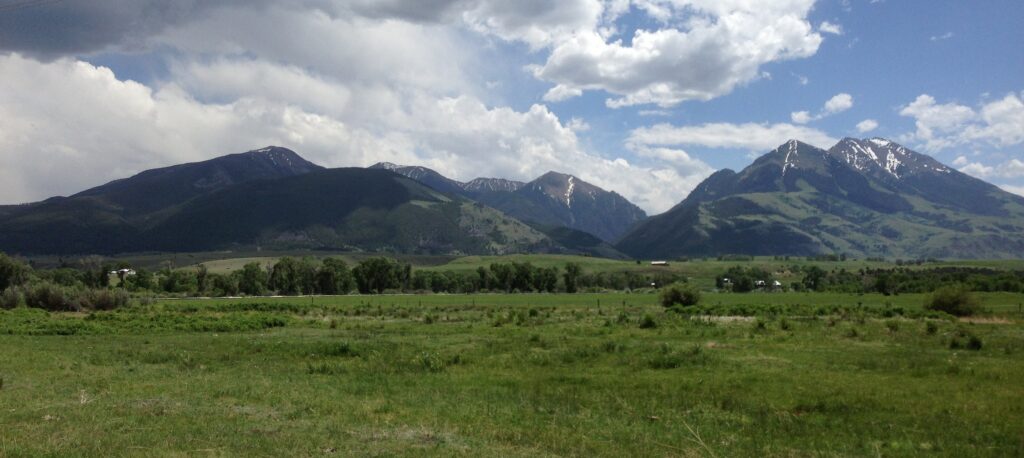
If you have one day and want to see animals, go north. Take I-90 east over Bozeman Pass to Livingston, then US-89 south through Paradise Valley to Gardiner. It’s about 80 miles and an hour and a half, and the Paradise Valley stretch is one of the best drives in the state, with the Absaroka Range on one side and the Yellowstone River beside the road most of the way.
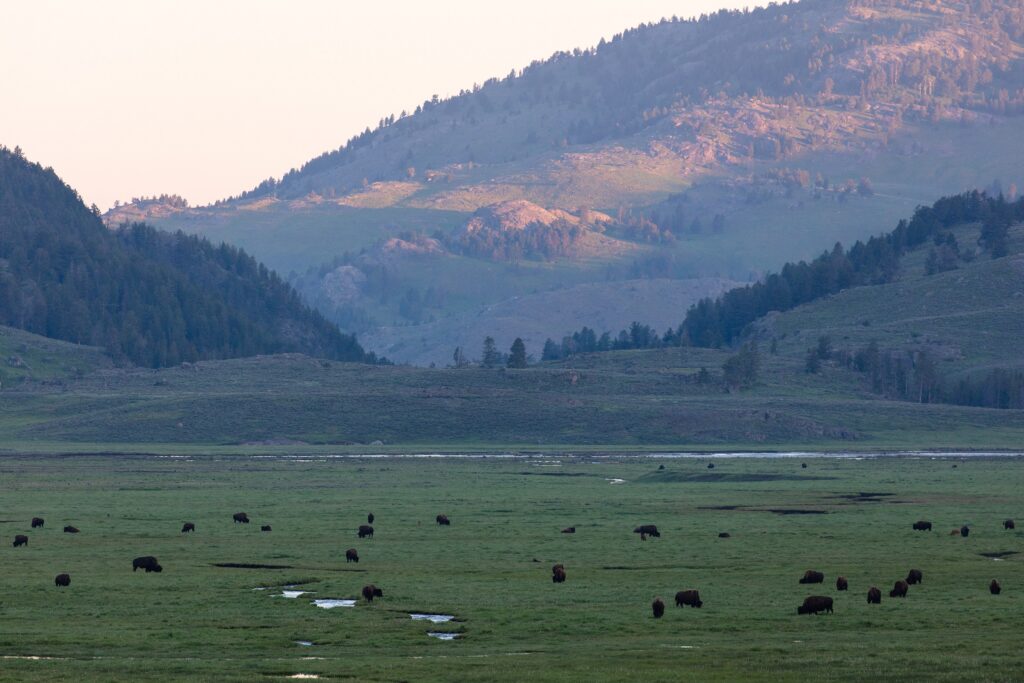
Mammoth Hot Springs is five miles past the Roosevelt Arch, and an hour on the boardwalks covers the main travertine terraces. From there, drive east through Tower Junction to Lamar Valley, where bison graze along the road and wolf watchers line the pullouts with spotting scopes at dawn. Yeah, that’s a pretty cool way to start the day! Lamar is roughly two and a half hours from Bozeman, so this is a long day. If wildlife is the reason you’re going, leave town by 6 a.m. The animals move early and late, and midday in July can be quiet.
This is also the only Yellowstone day trip from Bozeman that works in January. The road from the North Entrance through Lamar Valley to Cooke City is the one road in the park open to regular cars all year. It is weather-dependent, so check Yellowstone’s road status page the morning you go.
2. Yellowstone Through the West Entrance: Old Faithful and Grand Prismatic
The geysers are on the west side of the park. To get there, drive south from Bozeman on US-191 through Gallatin Canyon, past Big Sky, to the town of West Yellowstone. Plan on about an hour and 45 minutes to the gate and around two and a half hours to Old Faithful. Be warned: from Bozeman, this is a massive day of driving. But it’s pretty, so you’re good!
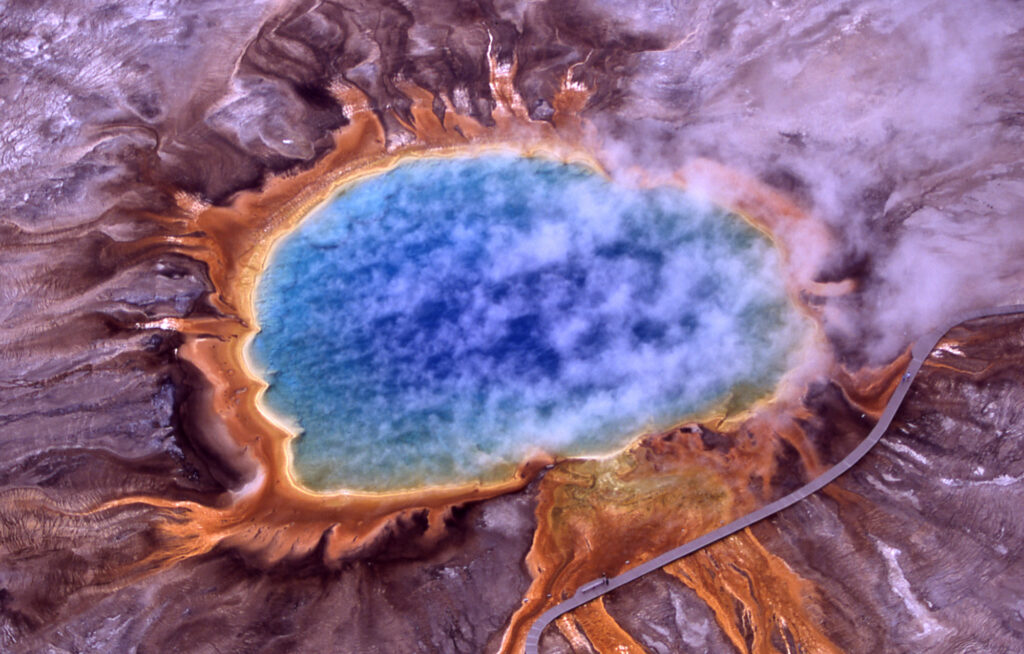
A realistic day looks like this: Grand Prismatic Spring at Midway Geyser Basin, then Old Faithful and the Upper Geyser Basin boardwalks, with Firehole Canyon Drive on the way out. For the view of Grand Prismatic from above, walk the overlook trail from the Fairy Falls trailhead. That lot is small and fills by mid-morning in summer.
The downside is the line at the gate. The West Entrance is the park’s busiest, and on summer mornings between about 9 and 11 the wait can run 30 to 60 minutes. Go through before 8, or come in late in the afternoon when the day crowd is leaving. This entrance closes to regular cars in early November and reopens in mid-April. In between, the only way in from West Yellowstone is by guided snowmobile or snowcoach.
What Yellowstone Costs in 2026
A private vehicle pays $35, and the pass is good for seven days at every entrance, so a North Entrance trip on Monday and a West Entrance trip on Thursday cost one fee. If you’ll visit more than once in a year, the $70 Yellowstone annual pass pays for itself on the second trip. New this year: visitors age 16 and up who aren’t U.S. residents pay an extra $100 per person unless they carry an annual or America the Beautiful pass. The details are on the NPS fees page.
3. Big Sky: Mountain Biking, the Gondola, and Gallatin Canyon
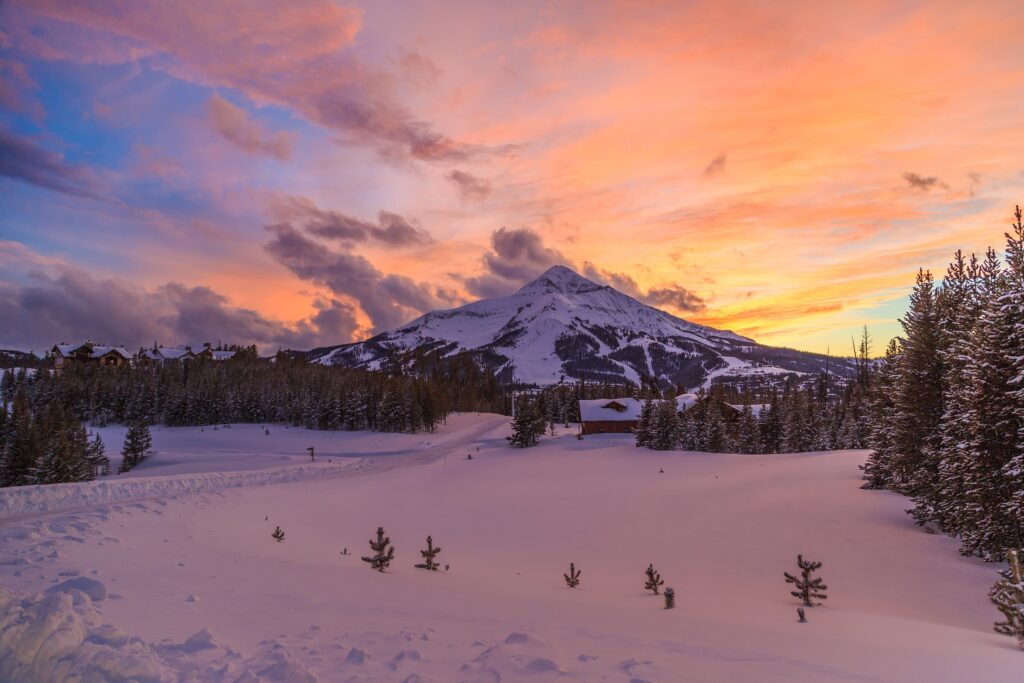
Big Sky is about an hour south on US-191. The drive follows the Gallatin River through a narrow canyon, and you’ll see rafters and anglers pulled off at every wide spot. At the Big Sky turnoff, head west on Lone Mountain Trail for the last nine miles up to Mountain Village and the resort.
Most people know Big Sky for skiing, but it’s a good summer day trip too. The resort runs lift-served mountain biking, and I rode it with my son when he was 11. We both enjoyed it. If your kids already ride at home, give it a day.
The 2026 bike season ran June 13 to September 13. Ramcharger 8 and the Explorer Gondola carry bikes daily, and Swift Current 6 adds more terrain Friday through Sunday. Junior tickets cover ages 7 to 17. Prices change by date, so check Big Sky Resort’s bike ticket page before you go. Rentals and lessons are available at the base, and lessons don’t include the lift ticket unless you buy a bundle.
Not a rider? The Explorer Gondola, the hiking trails around Mountain Village, and lunch in Town Center make an easy half day. On the way home, the Gallatin Canyon trailheads (Storm Castle is the best of them) are in our guide to the best hikes near Bozeman. Big Sky is pricey, so if you’re thinking about staying a night, our Bozeman cost guide breaks down what adding Big Sky does to a budget.
No car? The Skyline bus runs between Bozeman and Big Sky seven days a week for $5 cash each way, and buses inside Big Sky are free. Schedules change by season.
4. Livingston, Paradise Valley, and Chico Hot Springs
Livingston is 26 miles east of Bozeman over Bozeman Pass, about half an hour. It grew up as a Northern Pacific railroad town, and the old depot and the blocks of brick buildings around it still make up a walkable downtown with bars, galleries, and fly shops. It’s also windy. Gusts on I-90 between the pass and Livingston can push a car around and are rough on trailers and high-profile vehicles, so check MDT road conditions if you’re towing or driving something tall.
South of town, US-89 runs into Paradise Valley. Chico Hot Springs, near Pray, is about an hour from Bozeman and has been open since 1900. Day guests pay $14 for ages 7 and up and $8 for kids 3 to 6 and seniors 65 and older, with towel rental for $2.50. The two outdoor pools are open to day guests from 8 a.m. to 11 p.m. daily. There’s no lifeguard, and Chico recommends keeping children under two out of the hot water.
Chico sits right on the way back from Yellowstone’s North Entrance. After a long day in Lamar Valley, a soak there breaks up the drive home.
5 to 7. The West Loop: Missouri Headwaters, Lewis and Clark Caverns, and Norris Hot Springs
These three work best as one loop, and none of them come with a park entrance line. Head west on I-90 to Three Forks, visit the headwaters, continue to the caverns, then drive back through Three Forks and south on US-287 to Norris for a soak before taking MT-84 home through the Madison River canyon. Plan on 150 miles or so and a full day.
Missouri Headwaters State Park
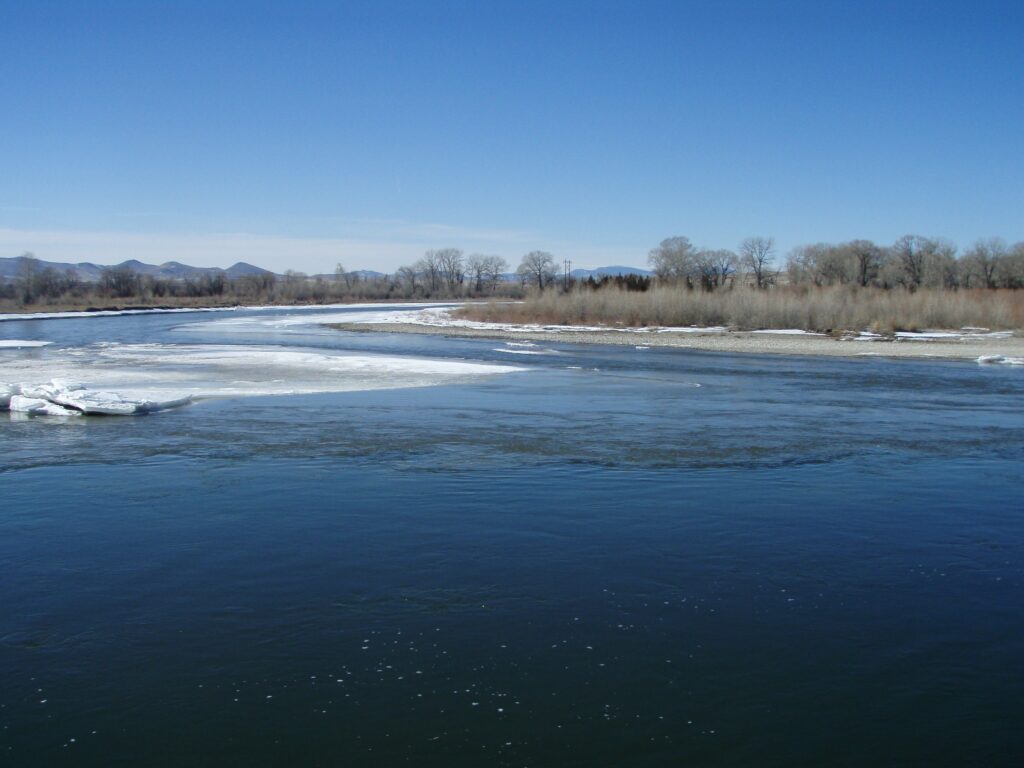
About 35 minutes west, near Three Forks, the Jefferson, Madison, and Gallatin Rivers come together to form the Missouri. Lewis and Clark camped here in 1805, and this is the area where Sacagawea was taken captive as a child. Short foot trails lead to overlooks and interpretive signs. Montana residents get in free; nonresident vehicles pay $8. Montana State Parks has maps and camping details.
Lewis and Clark Caverns State Park
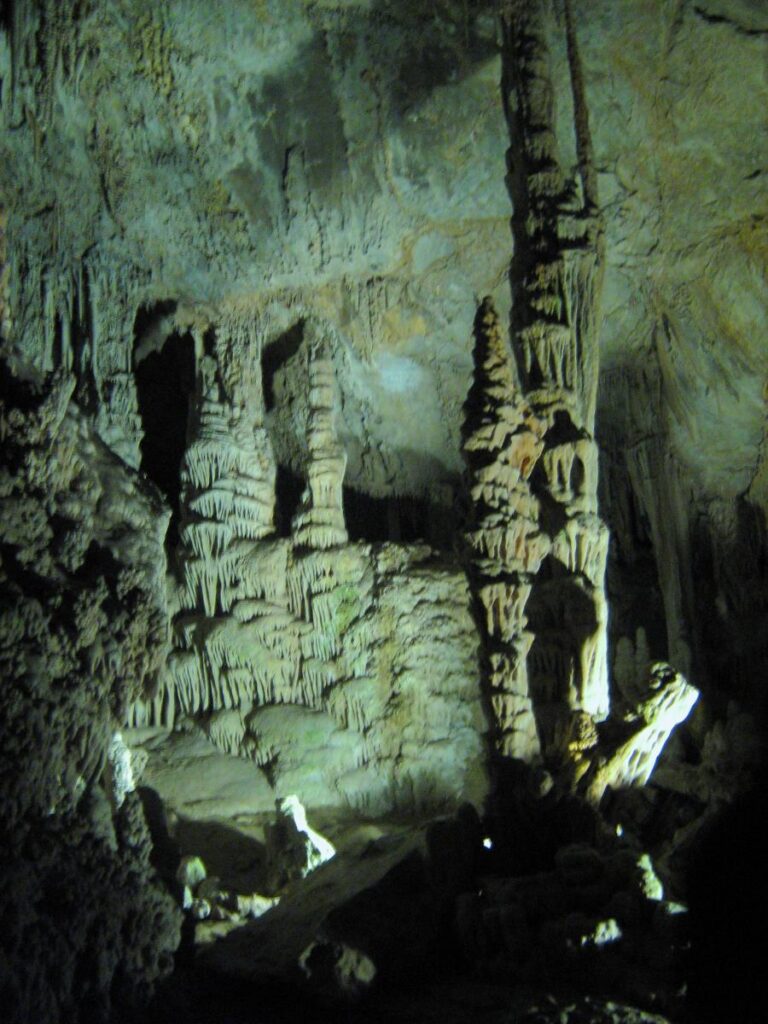
Montana’s best-known limestone cave is about 50 minutes from Bozeman, and you can only see it on a guided tour. Tours run May through September, and reservations are required, so book before you drive out.
- Classic Cave Tour: 2 hours and 2 miles, with 300 feet of climbing, more than 100 stairs up, and more than 500 down. Some passages are tight and low. $15 adults, $10 ages 5 to 14.
- Paradise Tour: 1.5 hours on a flat, one-mile route that’s wheelchair accessible. The better pick for small kids, bad knees, or anyone who doesn’t like tight spaces. Same prices.
- Candlelight Tour: $25 adults, dates announced by the park each year.
Nonresident vehicles pay the $8 park entry fee on top of the tour price. Check dates and book on the Lewis and Clark Caverns page. From October through April, the cave is closed to tours.
Norris Hot Springs
Norris is the small, rustic option: one wooden pool, a café, and live music in the Dome on many evenings. The spring comes out of the ground around 129 degrees and gets cooled to just under 100 in summer and up to 106 in winter. Admission is $12 for adults and $5 for seniors and kids 12 and under. The public pool is open Thursday through Monday, 10 a.m. to 10 p.m., with no reservation needed. It’s closed Tuesdays for cleaning, and Wednesdays are private soaks by reservation only, so don’t plan the West Loop for either day. Details are on the Norris Hot Springs site.
8. Virginia City and Nevada City
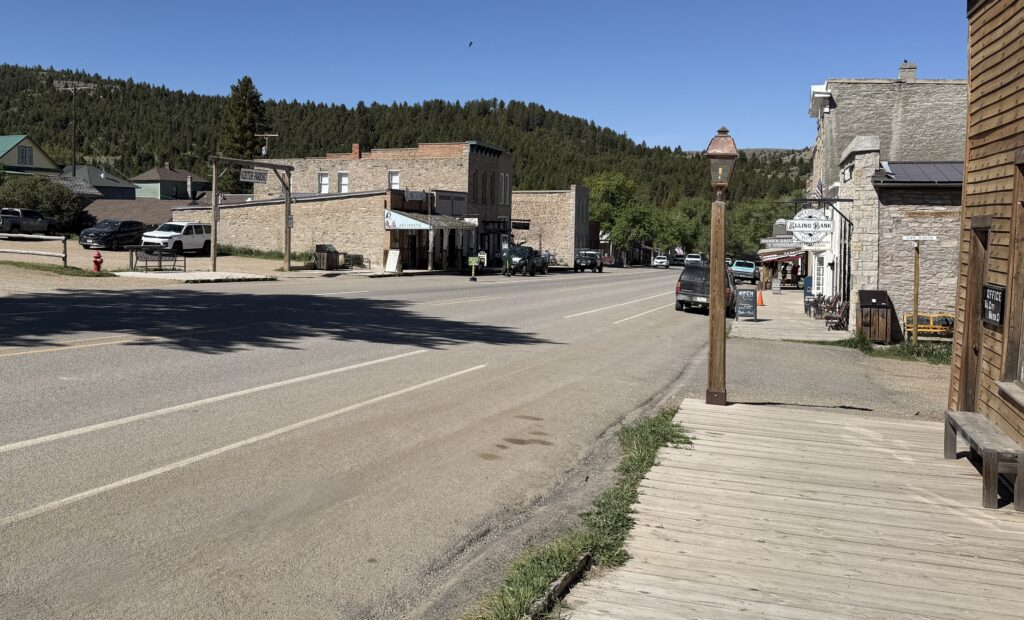
Gold was found in Alder Gulch in 1863, and Virginia City grew fast enough to become the capital of Montana Territory. Today it’s a living ghost town with wooden boardwalks and original storefronts, about an hour and a half from Bozeman by way of Norris and Ennis. Ennis, a fly-fishing town on the Madison River, is a natural place to stop on the way.
Nevada City, a mile and a half down the gulch, is an open-air museum of about 108 buildings. Only 14 of them are original to the town; the rest were hauled in from around the West to rebuild an 1870s mining camp. The Alder Gulch Shortline train connects the two towns in about 15 minutes.
Timing matters more here than anywhere else on this list. The season runs Memorial Day weekend to Labor Day weekend, 10 a.m. to 6 p.m. daily. Outside those dates you can still walk the boardwalks, but most shops, museums, and the train are closed. Check Virginia City’s visitor page before you go.
9. Butte
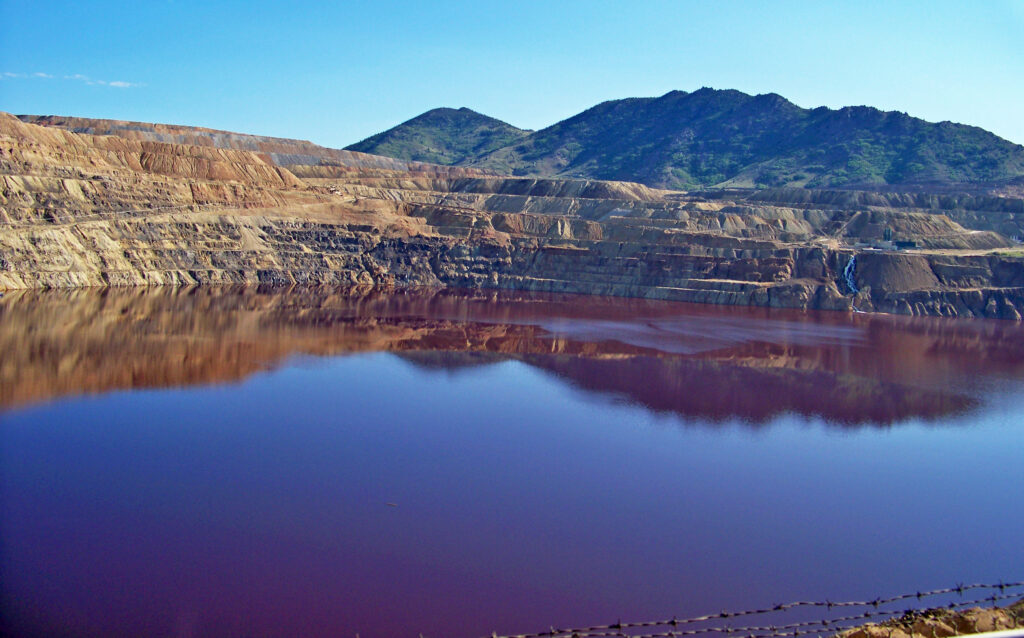
Butte is about an hour and 20 minutes west on I-90. It was built on copper and once called itself the Richest Hill on Earth, and Uptown Butte is still packed with brick buildings, steel mine headframes, and neighborhoods stacked on the hill. The Berkeley Pit, a former open-pit copper mine about a mile across and now filled with acidic, metal-laden water, is the stop most people come to see. The viewing stand is open daily from May through October, weather permitting, 10 a.m. to 5 p.m. There is an admission fee; call (406) 723-3177 for the current price.
Add the World Museum of Mining, a walk around Uptown, and lunch. Order a pasty. Butte’s miners brought the pasty from Cornwall, and it’s still the city’s signature lunch.
10. Bannack State Park
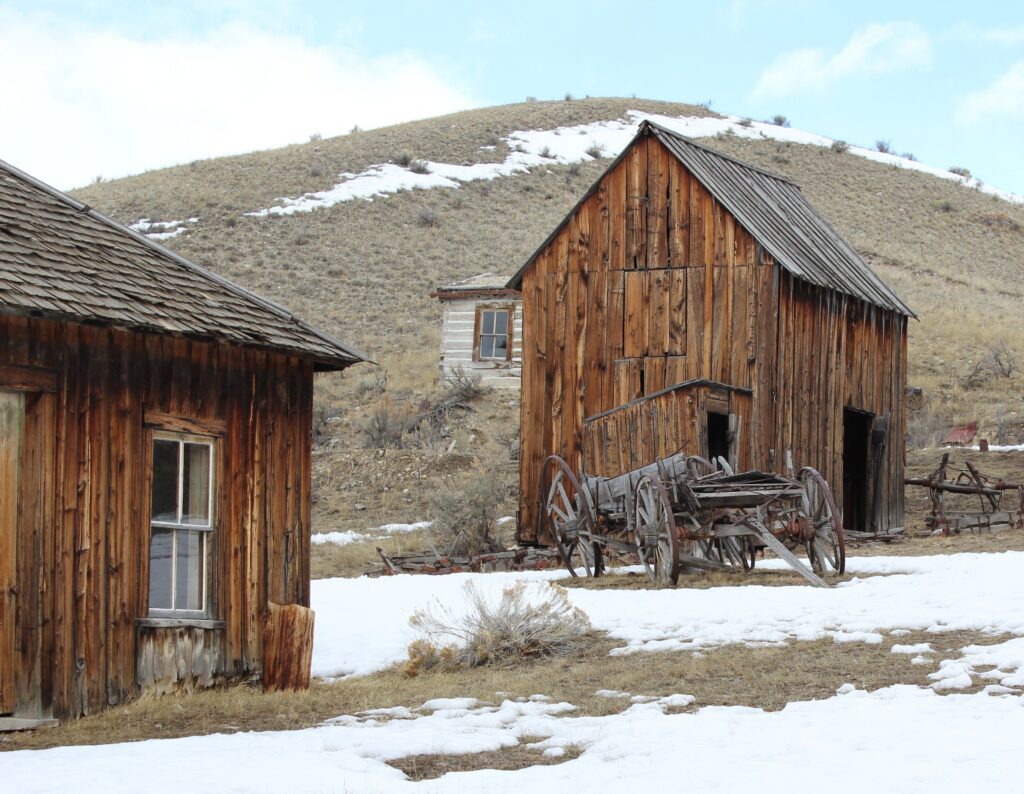
Bannack is the best-preserved ghost town in Montana, and it’s also the longest day trip on this list: about two and a half hours southwest of Bozeman, past Dillon. Gold turned up on Grasshopper Creek in 1862, and Bannack became the first capital of Montana Territory. Dozens of its buildings still stand, and you can walk into many of them.
The park is open all year, 8 a.m. to sunset, with winter hours of 8 to 5 starting October 12. Guided tours leave from the visitor center between Memorial Day and Labor Day. Nonresident vehicles pay $8. Bannack Days in July brings reenactors and demonstrations, and the Ghost Walk runs October 23 and 24 this year with 7 and 9 p.m. tours that need reservations. Details are on the Bannack State Park page.
Honestly, five hours of driving for a ghost town is a lot. If Bannack is high on your list, think about spending the night in Dillon, or pair it with Virginia City on a two-day loop.
11. Hyalite Canyon: The Half-Day Option
Sometimes you don’t want to drive two hours. Hyalite Canyon is 30 minutes south of town and has a reservoir, the short walk to Palisade Falls, and the trail to Grotto Falls, all in one canyon. Weekends get busy, and the parking lots fill in summer. The canyon road closes every year from April 1 to May 15 for spring runoff. In winter, Hyalite is one of the best-known ice-climbing areas in the country. Trail details are in our Bozeman hikes guide.
Which Day Trips from Bozeman Work in Each Season
A lot of the Bozeman trip-planning advice online assumes July. Here’s what’s actually open when.
- Summer (June to August): Everything is open. Book the caverns tour ahead, get through Yellowstone’s West Entrance early, and expect Hyalite and Big Sky to be busy on weekends.
- September: Probably the best month for day trips. Virginia City closes after Labor Day weekend, but the caverns run through the end of the month, Yellowstone is still open on both sides, and the crowds thin out.
- October: Yellowstone’s west side is open until early November, weather permitting. Cave tours are done. Bannack’s Ghost Walk is late in the month.
- Winter (November to March): Go north to Lamar Valley for wildlife, soak at Chico or Norris, ski Big Sky, or spend a day in Butte. Yellowstone’s west side is closed to cars.
- Spring (April to May): Mud season. Hyalite’s road is closed until May 15, Yellowstone’s west roads reopen in mid-April, and cave tours start in May. The hot springs are the safe bet.
Our Bozeman travel guide has more on what each season is like in town, and our Bozeman in winter guide covers ski prices, hot springs, and winter driving.
Tips Before You Leave Bozeman
- Fill up in town. Gas stations get far apart once you’re inside Yellowstone or out past Ennis and Dillon.
- Download offline maps. Cell service drops out in Gallatin Canyon and across much of Yellowstone.
- Check the roads and the cameras. Use MDT’s 511 map for closures and our Montana webcams page for live views of Yellowstone and the ski areas before you commit.
- Give wildlife room. Yellowstone requires at least 25 yards from bison and elk and 100 yards from bears and wolves. Bison injure more visitors than bears do.
- Pick a base that fits your day trips. Our guide to where to stay in Bozeman covers which neighborhoods make early Yellowstone starts easier.
- Plan dinner before you leave. After ten hours in the car, you won’t want to research restaurants. Our list of the best restaurants in Bozeman makes it easy to pick one.
If you have more time, many of these stops fit into our 7-day Montana road trip from Glacier to Yellowstone, and our list of things to do in Bozeman covers the days you stay in town.
Frequently Asked Questions
What is the best day trip from Bozeman?
Yellowstone through the North Entrance. It’s about an hour and a half to Gardiner through Paradise Valley, it’s open year-round, and Lamar Valley is the best place in the park to see wildlife. Stop at Chico Hot Springs on the way home.
Can you visit Yellowstone as a day trip from Bozeman?
Yes. The North Entrance is about an hour and a half away and the West Entrance about an hour and 45 minutes. Pick one side of the park, leave early, and plan on a 10 to 12 hour day. The $35 vehicle pass is good for seven days if you want to come back and see the other side.
What day trips from Bozeman work in winter?
Yellowstone’s northern road to Lamar Valley, Chico and Norris Hot Springs, skiing at Big Sky, Butte, and Bannack, which stays open all year with shorter winter hours. Virginia City and Lewis and Clark Caverns are closed, and Yellowstone’s West Entrance is closed to cars.
How far is Big Sky from Bozeman?
About an hour. It’s roughly 45 miles south on US-191 to the Big Sky turnoff, then nine miles up to Mountain Village. The Skyline bus makes the trip for $5 each way.
Do Montana state parks charge an entrance fee?
Montana residents get in free through a fee paid with their vehicle registration. Nonresident vehicles pay $8 a day at parks like Missouri Headwaters, Lewis and Clark Caverns, and Bannack. Cave tours are extra.