A Montana road trip is one of America’s most spectacular drives. This seven-day journey takes you through the Crown of the Continent—from Glacier National Park’s soaring peaks to Yellowstone’s geothermal wonders, with Montana’s charming mountain towns and endless wilderness in between.
I’ve driven this route more times than I can count, and it never gets old. The landscapes shift dramatically as you travel south: glacially-carved valleys give way to alpine lakes, then dense forests, rolling foothills, and finally the volcanic plateaus of Yellowstone. Wildlife sightings are almost guaranteed—grizzly bears, elk, bighorn sheep, bison, and if you’re lucky, wolves.
This detailed Montana road trip itinerary covers everything you need: daily schedules with realistic drive times, specific restaurant and hotel recommendations, budget breakdowns, seasonal considerations, and the insider tips that turn a good trip into an unforgettable adventure. Whether this is your first visit to Big Sky Country or your tenth, this route showcases the best of Montana.
Montana Road Trip Overview: What You Need to Know
Before we dive into the day-by-day itinerary, here’s the essential information to plan your trip:
Route Summary
Total Distance: Approximately 550 miles over 7 days
Starting Point: Kalispell/Whitefish, Montana (Glacier Park International Airport)
Ending Point: Bozeman, Montana (Bozeman Yellowstone International Airport)
Driving Time: About 12-15 hours total (spread across multiple days)
Best Time to Go: Late June through September for full access
What Makes This Route Special
This isn’t the fastest way to drive between Glacier and Yellowstone—it’s the best way. The route prioritizes scenery, wildlife viewing, and authentic Montana experiences over efficiency. You’ll spend time in Montana’s iconic national parks without the exhausting pace that leaves you feeling like you’ve seen nothing.
The seven-day timeframe allows you to actually experience each place rather than just check boxes. You can take that sunrise hike, linger over dinner in a local restaurant, and adjust your plans when you discover a hidden waterfall or spot a grizzly bear.
Trip Planning Essentials
Best Season: This itinerary works best from late June through September. Glacier’s Going-to-the-Sun Road typically opens in mid-June and closes by mid-October. If you’re traveling in June, call ahead to confirm road openings. For more details on seasonal considerations, check our guide on when to visit Montana.
Reservations Required: Book accommodations at least 2-3 months in advance for summer travel. Glacier National Park requires vehicle reservations for the Going-to-the-Sun Road corridor from late June through early September. These sell out within minutes, so set calendar reminders.
Vehicle Recommendations: A standard car works fine for this route in summer. You don’t need 4WD unless you’re traveling in spring or fall when snow is possible. An SUV provides more comfort for long drives and room for luggage.
Cell Service Warning: Large portions of Montana have limited or no cell service. Download offline maps before you leave major towns. The Gaia GPS app is excellent for Montana backcountry.
Complete Budget Breakdown for 7-Day Montana Road Trip
One thing most Montana road trip guides don’t provide is actual costs. Here’s a realistic budget for two people sharing accommodations:
Budget Breakdown (Per Person, 7 Days)
Lodging (6 nights): $450-900
- Budget option: $75/night per person (motels, budget hotels)
- Mid-range: $100-150/night per person (nice hotels, vacation rentals)
- Luxury: $150+/night per person (lodges, upscale accommodations)
Food: $350-600
- Budget: $50/day (groceries, picnic lunches, casual dinners)
- Mid-range: $70-85/day (mix of casual and nicer restaurants)
- Splurge: $100+/day (nice dinners, craft cocktails, local specialties)
Gas: $80-120
- About 550 miles total in a vehicle getting 25-30 MPG
- Montana gas prices vary; expect $3.50-4.50/gallon
Park Entrance Fees: $80
- America the Beautiful Annual Pass: $80 (covers Glacier and Yellowstone)
- Or pay separately: Glacier $35, Yellowstone $35 (7-day passes)
- Annual pass pays for itself on this trip
Activities: $100-300
- Whitewater rafting: $80-120 per person
- Boat tours: $30-45 per person
- Museum of the Rockies: $20
- Misc (gondola rides, hot springs, etc.): $50-100
TOTAL COST PER PERSON: $1,060-2,000
Budget travelers can do this trip for around $1,000 per person by camping or staying in budget motels, cooking some meals, and limiting paid activities. Mid-range travelers will spend $1,400-1,600. Luxury travelers who stay in nice lodges and eat at upscale restaurants can easily spend $2,000+ per person.
Money-Saving Tips
Book lodging in Bozeman rather than West Yellowstone—you’ll save 30-40% and have better restaurant options. Pack snacks and picnic lunches from grocery stores. Visit in June or September instead of July-August for lower accommodation rates. Share a vacation rental with another couple to split costs.
Day 1: Arrival in Whitefish (Gateway to Glacier)
Driving: 15 minutes from airport to Whitefish
Overnight: Whitefish, Montana
Morning/Afternoon: Arrival
Most flights arrive at Glacier Park International Airport (FCA) between mid-morning and early afternoon. The airport is small and efficient—you’ll have your rental car and be on the road within 30 minutes of landing.
The drive from the airport to downtown Whitefish takes just 15 minutes on US-93. Check into your hotel and take time to settle in. If you arrive early enough (before 2-3 PM), consider driving up to Whitefish Mountain Resort to take the gondola to the summit for 360-degree views of the Flathead Valley and surrounding peaks.
Evening: Explore Downtown Whitefish
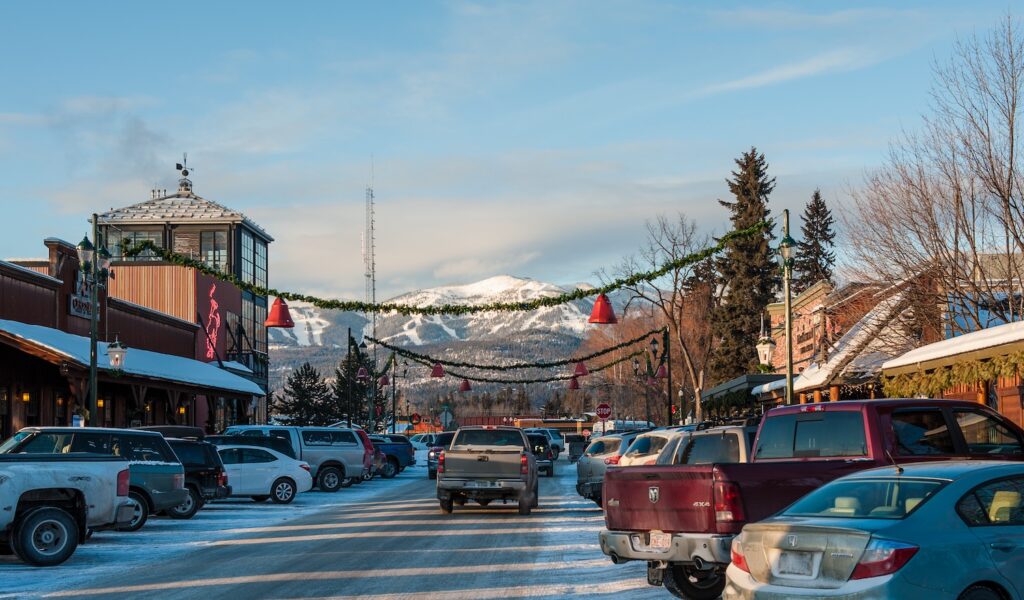
Whitefish’s walkable downtown makes for a perfect first evening. Park once and explore on foot. Central Avenue (the main street) is lined with galleries, outdoor gear shops, and restaurants.
Dinner Recommendations:
- Cafe Kandahar: Upscale European-influenced Montana cuisine. Reservations essential. ($$$)
- Tupelo Grille: Southern-inspired food with Montana ingredients. The shrimp and grits is excellent. ($$)
- Loula’s: Casual, creative food with vegetarian options. Great cocktails. ($$)
- Wasabi Sushi Bar: Surprisingly good sushi in a mountain town. ($-$$)
After dinner, walk down to Whitefish Lake’s City Beach for sunset views. The lake reflects the surrounding mountains beautifully in calm evening light.
Where to Stay in Whitefish
Budget: Whitefish Motel ($80-120/night) – Clean, basic, walkable to downtown
Mid-range: Firebrand Hotel ($150-250/night) – Stylish downtown hotel, great location
Luxury: Lodge at Whitefish Lake ($250-400/night) – Lakeside luxury with full amenities
Insider Tip: If you arrive before 5 PM, stop at Montana Coffee Traders on Central Avenue for excellent coffee and pastries. The outdoor seating is perfect for people-watching.
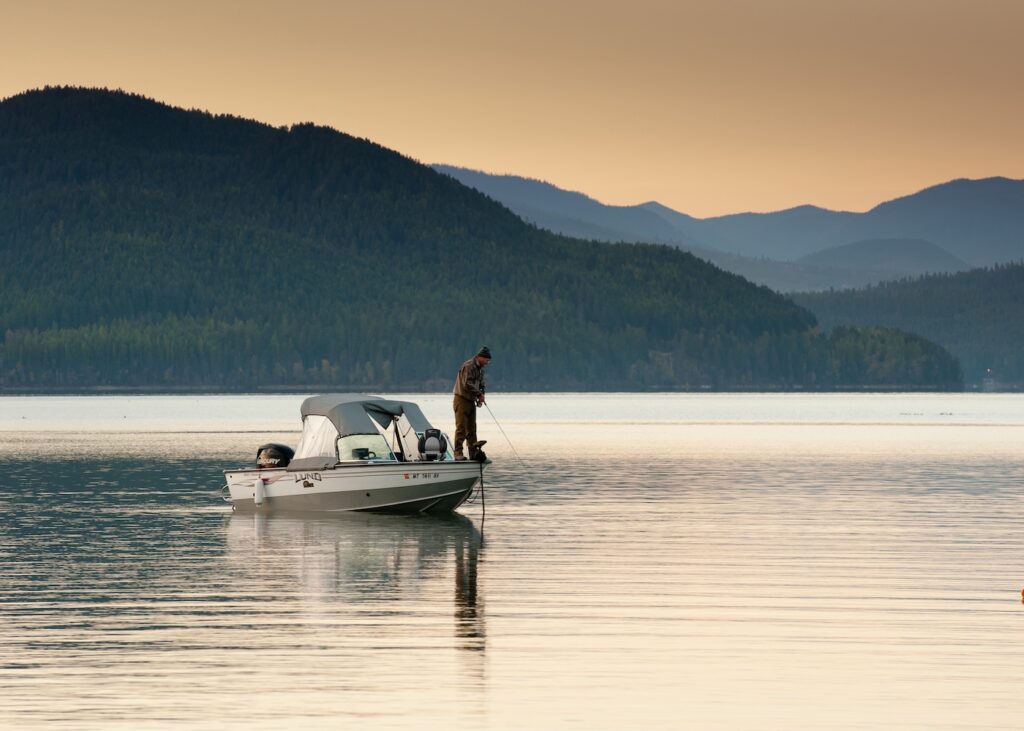
Day 2: Glacier National Park – West Side & Going-to-the-Sun Road
Driving: 30 minutes Whitefish to West Glacier entrance
Mileage: 25 miles
Overnight: Whitefish or West Glacier
Early Morning: Beat the Crowds
6:30 AM: Wake up early. Seriously. Glacier’s most popular trailheads fill their parking lots by 7-7:30 AM in summer. Grab coffee and breakfast sandwiches from Montana Coffee Traders or pack breakfast to eat in the park.
7:00 AM: Arrive at West Glacier entrance. If you have a vehicle reservation for Going-to-the-Sun Road (required late June through early September), you’re good to go. If the road isn’t fully open yet (common in June), you can still access the lower portions.
Morning: Lake McDonald & Trail of the Cedars
7:30 AM: Stop at Lake McDonald for photos. The still morning water creates perfect reflections of surrounding peaks. Walk along the shore near Lake McDonald Lodge—this historic 1913 lodge is worth exploring.
8:30 AM: Drive to Trail of the Cedars trailhead (near Avalanche Creek). This easy 1-mile loop trail winds through old-growth cedar and hemlock forest on wheelchair-accessible boardwalks. It’s magical in morning light.
If you have energy and time, continue to Avalanche Lake (4.5 miles round-trip, moderate). This stunning alpine lake sits in a cirque surrounded by waterfalls. The hike gains about 500 feet through forest and along Avalanche Creek.
Midday: Going-to-the-Sun Road
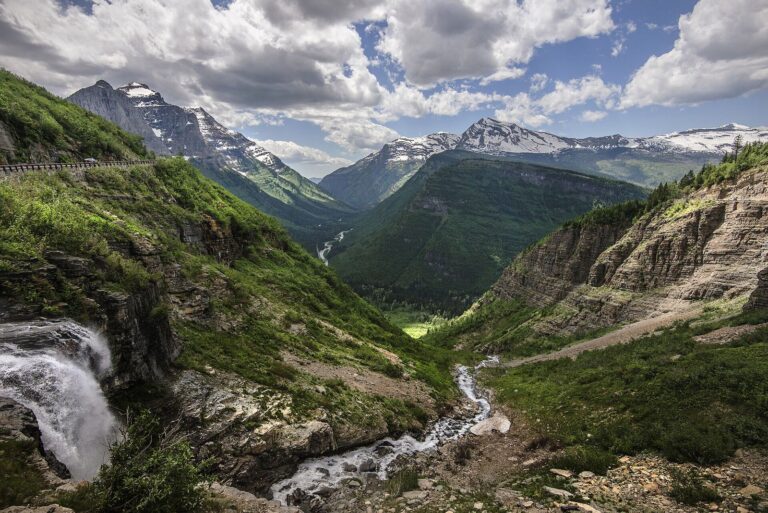
11:00 AM: Continue east on the Going-to-the-Sun Road. This 50-mile engineering marvel is one of America’s most scenic drives. The road climbs from Lake McDonald’s 3,200-foot elevation to Logan Pass at 6,646 feet, clinging to cliffs with heart-stopping views.
Must-stop viewpoints:
- Big Bend: Unmarked pullout where views suddenly open up
- Weeping Wall: Water cascades directly onto the road in early summer
- Logan Pass: Continental Divide, visitor center, trailheads
Noon-2:00 PM: Logan Pass. Park if you can (arrive early or late to find spots). The Hidden Lake Overlook trail is a must—1.5 miles each way with 500-foot elevation gain. Mountain goats are almost guaranteed on this trail. The overlook provides stunning views of Hidden Lake nestled in a dramatic cirque.
Pack a lunch to eat at Logan Pass rather than driving back down hungry. There are no food services on Going-to-the-Sun Road.
Afternoon: East Side Exploration
3:00 PM: Drive down the east side of Going-to-the-Sun Road to St. Mary. Stop at Jackson Glacier Overlook for views of one of the park’s remaining glaciers.
4:00 PM: Decision time. You can return to Whitefish over Going-to-the-Sun Road (retracing your route) or continue around the park’s perimeter through St. Mary and back to Whitefish via Highway 2 (adds 2 hours). Most people prefer returning the way they came to catch different light on the same spectacular scenery.
6:30 PM: Return to Whitefish for dinner. You’ll be tired but exhilarated.
Insider Tip: If Going-to-the-Sun Road is closed, you can still have an excellent day exploring the west side. Drive to the end of Going-to-the-Sun Road as far as it’s plowed, hike Avalanche Lake, explore Lake McDonald, and visit Apgar Village.
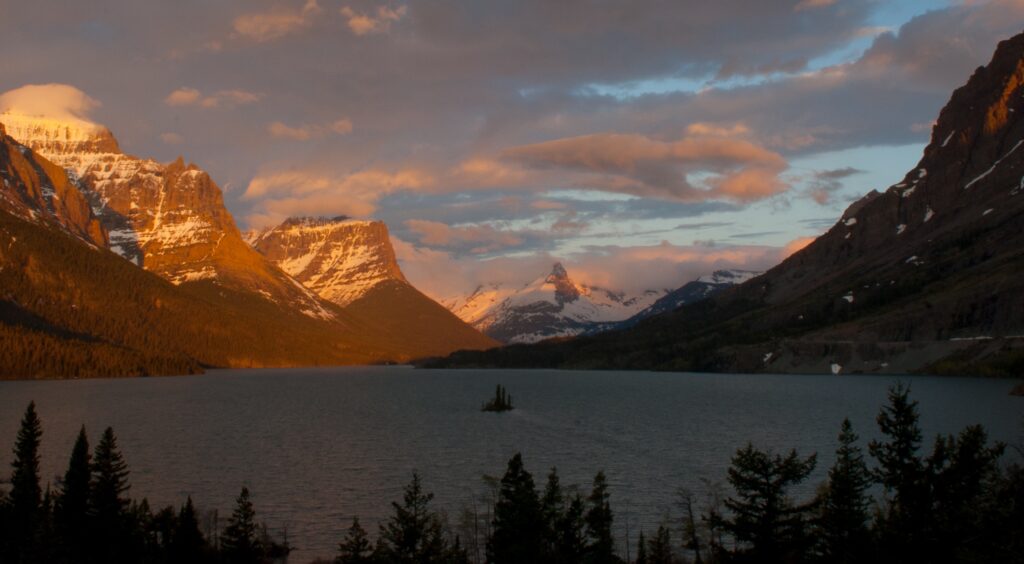
Day 3: Glacier National Park – Many Glacier Valley
Driving: 2.5 hours Whitefish to Many Glacier
Mileage: 90 miles
Overnight: St. Mary or East Glacier
Morning: Drive to Many Glacier
7:00 AM: Early breakfast in Whitefish, then check out and head east. The drive to Many Glacier takes you around the north side of Glacier via Highway 2, then south on Highway 89 through Blackfeet Nation land.
The scenery shifts dramatically from lush western Montana forests to drier prairies with spectacular mountain views. This is sacred land to the Blackfeet people—the peaks you see are central to their culture and creation stories.
9:30 AM: Arrive at Many Glacier. This valley is considered by many to be Glacier’s most beautiful area. The road into Many Glacier (the last 12 miles) is partially unpaved and can be rough—drive carefully.
Midday: Many Glacier Adventures
Many Glacier offers world-class hiking. Choose based on your fitness level and time:
Option 1 – Grinnell Glacier Trail (Full Day, Strenuous): 10.6 miles round-trip, 1,600-foot elevation gain. This is arguably Glacier’s best day hike. You’ll see turquoise Grinnell Lake, thundering waterfalls, mountain goats, and the shrinking Grinnell Glacier up close. Start by 8 AM for parking. Allow 6-7 hours.
Option 2 – Iceberg Lake (Half Day, Moderate): 9.7 miles round-trip, 1,200-foot elevation gain. This trail leads to a stunning alpine lake that holds icebergs into August. Wildflowers are spectacular in July. Allow 5-6 hours.
Option 3 – Swiftcurrent Lake Loop (Easy): 2.6 miles, minimal elevation. This easy loop around Swiftcurrent Lake offers mountain views with minimal effort. Add the 0.8-mile trail to Grinnell Lake for more scenery.
Option 4 – Boat Tour (Relaxing): Take the Glacier Park Boat Company’s guided tour across Swiftcurrent Lake and Lake Josephine. Combine with a short hike for a half-day adventure.
2:00 PM: After your hike, visit the Many Glacier Hotel. This 1915 Swiss-style lodge is stunning inside. Have lunch at the Ptarmigan Dining Room or grab sandwiches at Nell’s at Swiftcurrent.
Late Afternoon: Drive to East Side Lodging
4:00 PM: Drive south to St. Mary (30 minutes) or East Glacier (1 hour) for the night. St. Mary is closer but has limited dining. East Glacier has more charm and restaurant options.
Evening: If staying in St. Mary, eat at the Snowgoose Grille. If staying in East Glacier, try Serrano’s Mexican Restaurant or Two Medicine Grill.
Where to Stay on Glacier’s East Side
St. Mary: St. Mary Lodge & Resort ($150-250), basic but convenient
East Glacier: Glacier Park Lodge ($200-350), historic Great Northern Railway lodge
Budget: East Glacier Motel & Cabins ($90-140)

Day 4: Scenic Drive to Bozeman via Flathead Valley
Driving: 4.5-5 hours
Mileage: 230 miles
Overnight: Bozeman
Morning: Leisurely Start & Drive South
8:00 AM: Sleep in a bit—you’ve earned it after two big days in Glacier. Enjoy breakfast at your lodge.
9:30 AM: Begin the drive south to Bozeman. You have two route options:
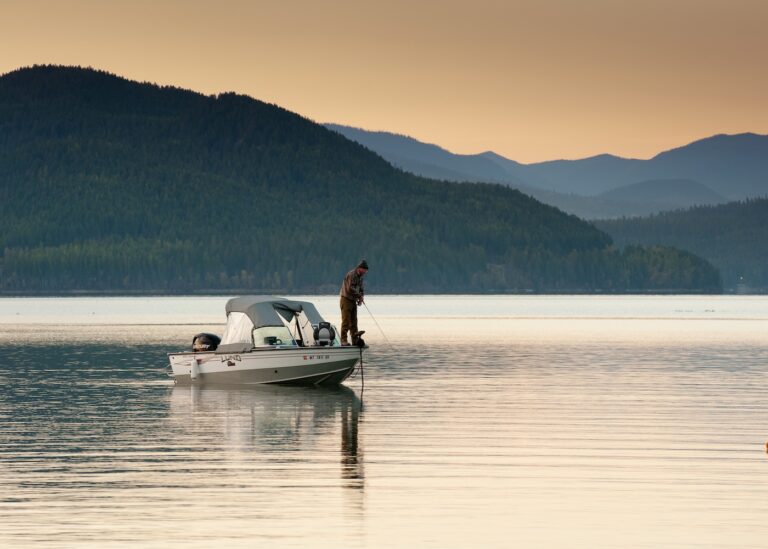
Route Option 1 (Recommended) – Via Flathead Lake: Drive west on Highway 2, then south on Highway 93 along Flathead Lake. This adds 30 minutes but showcases Montana’s largest freshwater lake and the stunning Mission Mountains.
Route Option 2 (Faster) – Via Great Falls: Drive east and south through more plains landscape. Saves 30-45 minutes but less scenic.
Late Morning: Flathead Lake Stops
11:00 AM: Stop in Bigfork at the north end of Flathead Lake. This charming artsy town has galleries, shops, and cafes. Grab early lunch at Showthyme (American bistro) or Bridge Street Cottages (casual lakeside).
Noon: Drive down the east shore of Flathead Lake on Highway 35. Stop at a roadside cherry stand (late July-early August) to buy fresh Montana cherries. Pull over at scenic viewpoints to photograph the lake with mountains behind.
From June through October, farms and markets in the Flathead and Mission valleys are stops on the Western Montana Food & Farm Trail. Its field guide lists places to pull over on this drive.
Afternoon: Arrival in Bozeman
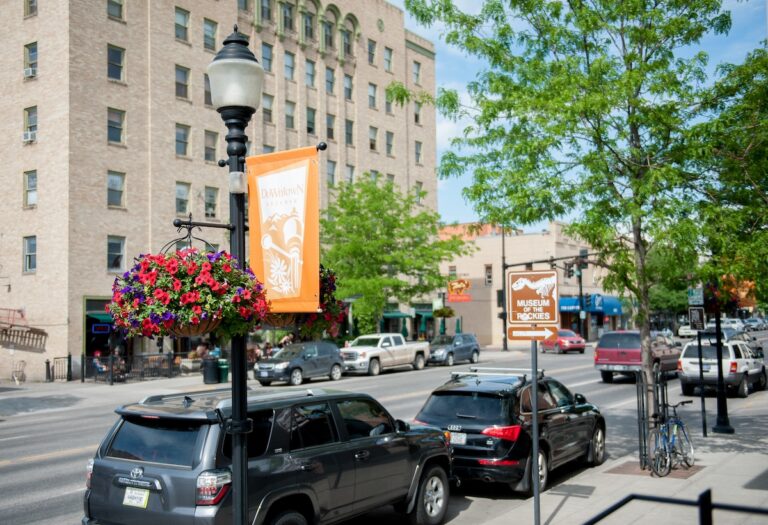
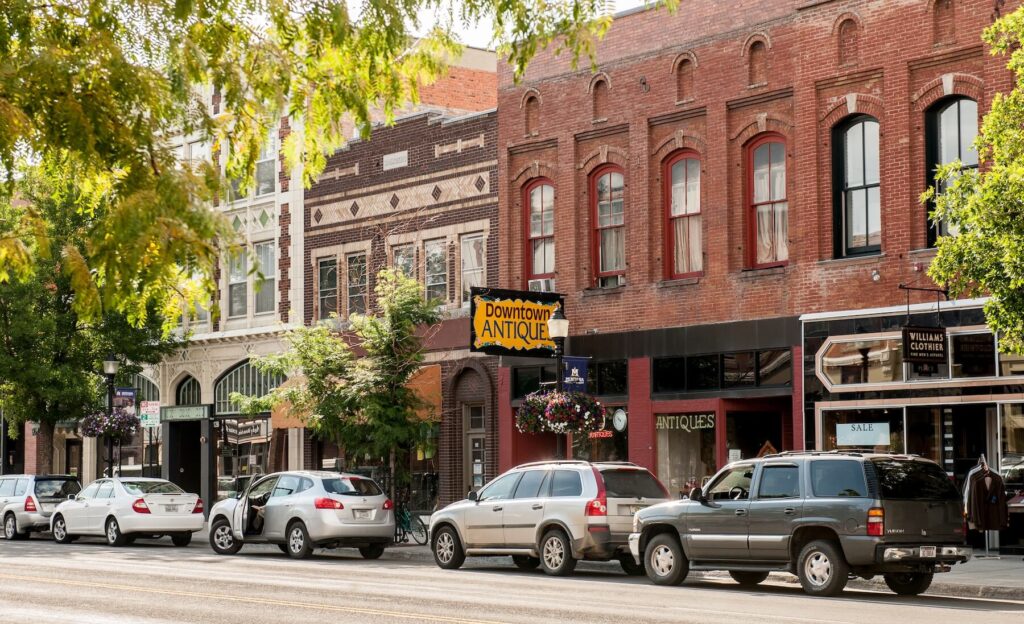
3:00 PM: Arrive in Bozeman. Check into your hotel and explore Montana’s liveliest mountain town. Downtown Bozeman is young, vibrant, and walkable—full of college students from Montana State University, outdoor enthusiasts, and creatives.
4:00 PM: Walk Historic Main Street. Browse Vargo Jazz City (vinyl records), Country Bookshelf (excellent independent bookstore), Heyday (trendy Montana-made goods), and Schnee’s (legendary outdoor gear store).
For more detailed information on what to do in Bozeman, check out our complete Bozeman travel guide.
Evening: Bozeman Dining Scene
Bozeman has Montana’s best restaurant scene. Reservations are highly recommended for popular spots.
Top Dinner Choices:
- Plonk: Wine bar with small plates, rooftop patio ($$-$$$)
- Open Range: Upscale steakhouse with Montana beef ($$$)
- Blackbird Kitchen: Italian-inspired, locally sourced ($$-$$$)
- Montana Ale Works: Brewpub in renovated railroad building, great burgers ($$)
- Saffron Table: Indian cuisine, surprisingly excellent ($-$$)
After dinner, grab drinks at Bridger Brewing (outstanding pizza and beer) or walk to the Emerson Cultural Center for evening events.
Where to Stay in Bozeman
Budget: Microtel Inn & Suites ($90-130)
Mid-range: Element Bozeman ($140-200) – Modern, downtown location
Boutique: RSVP Hotel ($180-280) – Stylish, excellent downtown location
Luxury: The LARK ($200-350) – Upscale urban hotel
Insider Tip: Book Bozeman lodging as your base for Days 4-7. Staying in Bozeman is cheaper and offers better restaurants than staying in West Yellowstone. The 90-minute drive to Yellowstone is scenic and easy.
Day 5: Bozeman & Yellowstone’s North Entrance
Driving: 90 minutes each way to Yellowstone
Mileage: 180 miles round-trip
Overnight: Bozeman
Morning: Optional Bozeman Activities
Option 1 – Museum of the Rockies: If you’re interested in paleontology, start your day at this world-class museum ($20 admission). It houses one of the world’s largest T. Rex skull collections and cutting-edge dinosaur exhibits. The planetarium is also excellent. Allow 2-3 hours.
Option 2 – Skip to Yellowstone: Head straight to Yellowstone for maximum park time.
Late Morning/Afternoon: Yellowstone’s North Entrance
10:30 AM: Drive south from Bozeman through Paradise Valley on US-191. This is one of Montana’s most scenic drives—the Yellowstone River runs beside the highway with the Absaroka Mountains rising dramatically to the east.
Noon: Enter Yellowstone National Park through the North Entrance at Gardiner, Montana. This entrance stays open year-round and provides access to the park’s northern section.
12:30 PM: Drive to Mammoth Hot Springs. These terraced travertine formations are constantly changing and remarkably beautiful. Walk the upper and lower boardwalks (allow 1-2 hours). The Mammoth Hot Springs Hotel has a decent cafeteria for lunch.
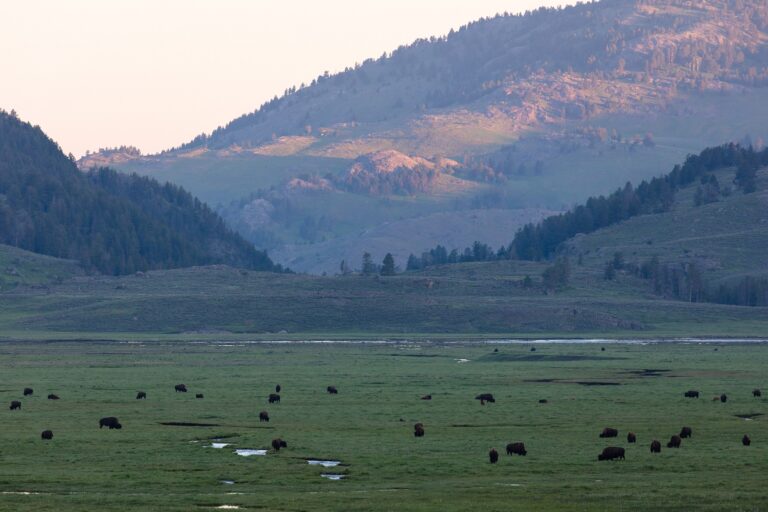
2:30 PM: Drive east toward the Lamar Valley—often called “America’s Serengeti” for its abundant wildlife. This is the best place in the lower 48 to see wolves, along with bison, elk, pronghorn, grizzly bears, and coyotes.
Drive slowly through the valley. Bring binoculars. If you see cars pulled over, that usually indicates wildlife nearby. Early morning and evening are best for wildlife, but midday still offers good viewing.
4:30 PM: Begin driving back to Bozeman. The drive through Paradise Valley at golden hour is stunning.
6:30 PM: Arrive in Bozeman. Relax with dinner downtown.
Wildlife Tip: Download the Yellowstone Wolf Tracker app before your visit. Local wolf watchers post sightings, significantly increasing your chances of seeing these elusive predators.
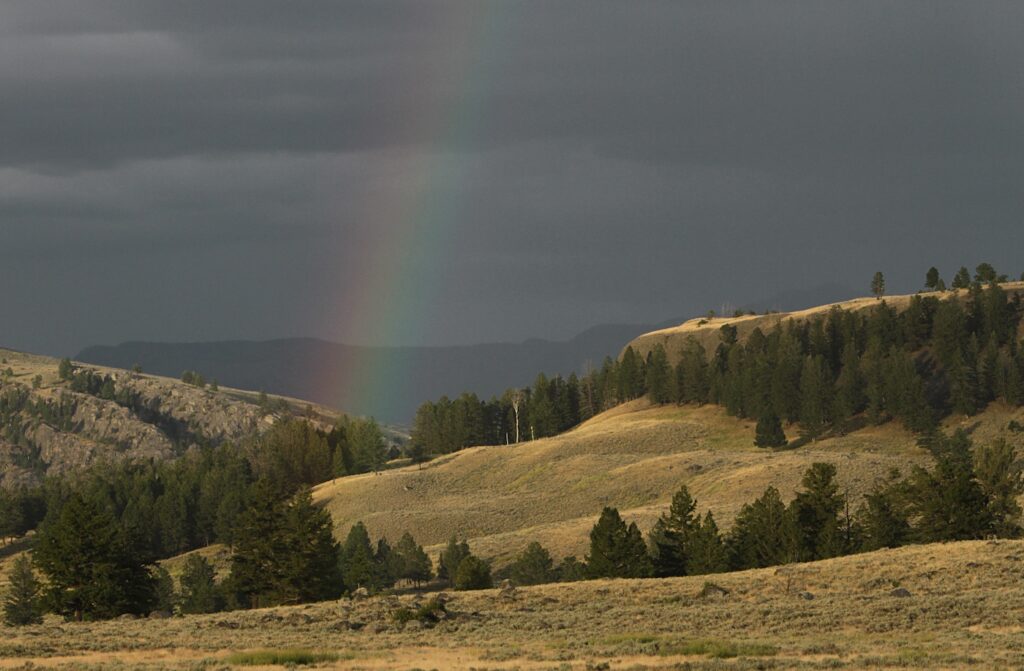
Day 6: Full Day in Yellowstone – Grand Loop
Driving: 3-4 hours within park + 90 minutes each way
Mileage: 270 miles total
Overnight: Bozeman
Early Morning: Get an Early Start
6:00 AM: This is your biggest driving day. Leave Bozeman by 6:30 AM to maximize time in Yellowstone. Pack breakfast and snacks—you won’t want to waste time sitting in restaurants.
8:00 AM: Enter Yellowstone’s North Entrance and drive south to Norris Junction, then west to Madison Junction, then north toward Old Faithful.
Mid-Morning: Old Faithful & Upper Geyser Basin
9:30 AM: Arrive at Old Faithful. Check the predicted eruption time (posted at visitor center and online). Old Faithful erupts roughly every 90 minutes, shooting 100-180 feet high for 1.5-5 minutes.
After watching Old Faithful, walk the boardwalk trails through the Upper Geyser Basin. This area has the world’s highest concentration of geothermal features. Must-sees include Castle Geyser, Grand Geyser (if timing works), Morning Glory Pool, and dozens of colorful hot springs.
Allow 2-3 hours in this area—it’s the park’s most impressive geothermal zone.
Midday: Grand Prismatic Spring & Midway Geyser Basin
Noon: Drive north 10 miles to Midway Geyser Basin. The main attraction is Grand Prismatic Spring—Yellowstone’s largest and most colorful hot spring at 370 feet in diameter.
Walk the boardwalk around Grand Prismatic, then hike up to the Grand Prismatic Overlook Trail (1.2 miles round-trip). The elevated viewpoint provides the iconic aerial-perspective photos you’ve seen of this rainbow-hued spring.
Afternoon: Hayden Valley & Yellowstone Lake
2:00 PM: Drive east through Madison Junction toward Fishing Bridge. Stop at Hayden Valley—another excellent wildlife area. Bison herds are almost guaranteed. Scan hillsides for grizzly bears.
3:30 PM: Stop at Yellowstone Lake—North America’s largest high-elevation lake at 7,733 feet. The West Thumb Geyser Basin on the lake’s shore combines geothermal features with lakeside views.
Late Afternoon: Return to Bozeman
5:00 PM: Begin the drive back to Bozeman via the North Entrance. You’ll be tired but you’ve seen Yellowstone’s greatest hits.
7:00 PM: Arrive in Bozeman. Low-key dinner tonight—you’ve earned takeout and an early bedtime.
Alternate Option – Beartooth Highway: If you have time and energy, consider returning via the spectacular Beartooth Highway (US-212 through Red Lodge). This adds 2 hours but showcases one of America’s most scenic drives. Only feasible if the highway is open (typically late May through mid-October, weather dependent).

Day 7: Bozeman Exploration & Departure
Overnight: None (departure day)
Morning: Last Taste of Bozeman
Your final day’s activities depend on your departure flight time.
If you have a late afternoon/evening flight:
8:00 AM: Breakfast at Jam! (best breakfast in town—expect a wait on weekends) or Nova Cafe (excellent coffee and creative breakfast).
9:30 AM: Choose a morning activity:
- Hike the M Trail: 2-mile round-trip trail up Mount Sentinel for panoramic Bozeman views. Moderate difficulty, allow 1.5 hours.
- Museum of the Rockies: If you skipped it earlier, this is your chance.
- Downtown shopping: Last-minute Montana souvenirs and gifts.
- Relaxing coffee: Wild Crumb Bakery or Rockford Coffee Roasters.
Noon: Final lunch in Bozeman. Try Dave’s Sushi (excellent for a landlocked state), Sidewinders American Grill (burgers and elk meatloaf), or grab sandwiches from The Nova Cafe for the airport.
If you have an early morning flight:
Skip morning activities and head directly to the airport. Bozeman Yellowstone International Airport (BZN) is small and easy to navigate—arriving 90 minutes early is sufficient.
Bozeman to Airport
The drive from downtown Bozeman to the airport takes 20-25 minutes via I-90 and Highway 85. Build in extra time during ski season (December-March) when traffic can be heavier.
Alternative Routes & Seasonal Variations
Spring/Fall Modifications (June or September)
If Going-to-the-Sun Road is closed (common in June and after mid-October), adjust Day 2:
- Explore Glacier’s west side only (Lake McDonald, Avalanche Lake, Apgar Village)
- Or drive around the park’s perimeter to access Many Glacier and the east side
- The road closure adds 3-4 hours of driving but you still see spectacular scenery
Extended Trip Options
Add Day 8-9: Big Sky Resort and Gallatin Canyon
- Drive south from Bozeman through scenic Gallatin Canyon
- Stay in Big Sky for world-class skiing (winter) or hiking/mountain biking (summer)
- Explore Hyalite Canyon near Bozeman for waterfalls and alpine lakes
Add Day 8-9: Beartooth Highway & Red Lodge
- Drive the spectacular Beartooth Highway
- Stay in Red Lodge (charming former mining town)
- Visit Cooke City at Yellowstone’s northeast entrance
Winter Road Trip (December-March)
This itinerary doesn’t work in winter—Going-to-the-Sun Road is closed and buried under 30+ feet of snow. Instead:
- Focus on ski resorts: Whitefish, Big Sky, Bridger Bowl
- Winter Yellowstone tours via snowcoach or snowmobile
- Cross-country skiing in national forests
- Plan for snow tires/4WD and winter driving conditions
Practical Tips for Your Montana Road Trip
Gas Stations & Services
Montana has long stretches with no services. Fill up in these towns: Whitefish, Columbia Falls, Kalispell, Bigfork, Polson, Ennis, Bozeman, Livingston, Gardiner. Don’t assume you’ll find gas inside national parks—there are stations, but they’re limited and expensive.
Cell Service Reality
Large portions of Montana have zero cell service. Inside Glacier National Park, you’ll have limited service only near lodges and visitor centers. The drive from East Glacier to Bozeman through the Blackfeet Nation has spotty coverage. Paradise Valley has gaps. Download offline maps before leaving major towns.
Weather Preparedness
Montana weather is famously unpredictable. I’ve experienced snow in July at Logan Pass. Pack layers regardless of season: t-shirts, fleece, rain jacket, warm hat. Afternoon thunderstorms are common in summer—they usually pass quickly but can be intense.
Wildlife Safety
You’re in bear country. Carry bear spray and know how to use it. Never approach wildlife—use telephoto lenses and binoculars for close-up views. Maintain 100 yards from bears and wolves, 25 yards from other large animals. Store food properly to avoid attracting animals to campsites or cars.
Altitude Considerations
Logan Pass sits at 6,646 feet. Yellowstone ranges from 5,282 to 8,000+ feet. If you’re coming from sea level, take it easy on your first hikes. Drink extra water. Altitude sickness symptoms include headache, nausea, and fatigue—descend if symptoms worsen.
Photography Tips
Bring a polarizing filter to cut glare on lakes. Golden hour (sunrise and sunset) provides the best light. Wildlife is most active at dawn and dusk. Memory cards and batteries drain faster in cold weather—bring extras. The best Glacier photos often come from hiking trails, not roadside pullouts.

Making the Most of Your Montana Road Trip
This seven-day Montana road trip itinerary balances iconic attractions with authentic experiences, provides realistic timeframes, and includes the practical details that determine whether a trip is good or truly memorable.
The route showcases Montana’s incredible diversity: glacial valleys and alpine peaks, thermal features and wildlife, mountain towns and vast wilderness. You’ll drive spectacular roads, hike unforgettable trails, and experience landscapes that remain as wild and beautiful as they were a century ago.
Remember that this itinerary is a framework, not a rigid schedule. Montana rewards flexibility. If you discover a hidden waterfall, spend extra time there. If you spot a grizzly bear, pull over and watch (from a safe distance). If a local recommends a lesser-known trail or swimming hole, take their advice.
The best Montana memories often come from unplanned moments: watching the sunrise paint peaks golden from your hotel balcony, sharing trail stories with fellow hikers at a backcountry lake, or stumbling into a small-town festival you didn’t know existed.
This road trip offers a taste of what makes Montana special—the grandeur, the wildness, the space to breathe deeply and think clearly. One week isn’t enough to see everything, but it’s enough to understand why people who visit Montana often return year after year, drawn back by mountains that never look quite the same twice.
Now pack your bags, download your maps, make your reservations, and prepare for an adventure through some of America’s most spectacular landscapes. Montana is waiting, and trust me—it won’t disappoint.
For more Montana travel inspiration and detailed guides, explore our other articles on visiting Bozeman, choosing the best time to visit Montana, and experiencing Glacier National Park. Safe travels, and enjoy Big Sky Country.
Yellowstone’s geysers and wildlife don’t run on a schedule, but you can still get a feel for what’s happening before you go — Montana’s live webcams let you check conditions and catch glimpses of the park’s most iconic spots without leaving your couch. It’s a quick way to gauge weather, crowds, or just feed the anticipation while you’re packing for the trip.