Nestled in the heart of southwest Montana’s Gallatin Valley, Bozeman has evolved from a quiet college town into one of the most sought-after mountain destinations in the American West. This comprehensive Bozeman travel guide will help you discover why this vibrant city of 53,000 residents draws adventurers, foodies, and outdoor enthusiasts from around the world.
Whether you’re planning a weekend getaway, using Bozeman as your basecamp for exploring Yellowstone National Park, or considering a longer stay to experience all four seasons, this guide covers everything you need to know. From the best hiking trails and restaurants to practical tips on when to visit and where to stay, we’ll help you plan an unforgettable trip to Montana’s mountain town gem.
Why Visit Bozeman Montana?
Bozeman offers something rare: authentic Montana character combined with sophisticated dining, world-class outdoor recreation, and a thriving cultural scene. Unlike tourist-heavy gateway towns, Bozeman maintains its genuine small-town charm while offering amenities you’d expect in a much larger city.
The outdoor recreation alone makes Bozeman worth visiting. Within an hour’s drive, you can access two ski resorts, dozens of hiking trails, blue-ribbon trout streams, and the north entrance to Yellowstone National Park. The Gallatin National Forest surrounds the valley, providing endless opportunities for hiking, mountain biking, and backcountry exploration.
But Bozeman isn’t just about the outdoors. The downtown area pulses with energy, featuring breweries, farm-to-table restaurants, art galleries, and boutique shops along historic Main Street. Montana State University brings a youthful energy and cultural offerings you won’t find in other Montana towns.

When to Visit Bozeman: Best Times and Seasons
Bozeman shines in every season, but the best time to visit depends on your interests and tolerance for crowds and cold.
Summer (June-August): Peak Season
Summer brings the warmest weather, longest days, and unfortunately, the biggest crowds and highest prices. Daytime temperatures range from 75-85°F, perfect for hiking, fly fishing, and exploring Yellowstone. Main Street buzzes with Music on Main concerts every Thursday evening in July and August.
Expect hotel rates to double or triple compared to winter. Book accommodations at least 3-4 months in advance if visiting in July or August. Popular hiking trails and restaurants fill up quickly, especially on weekends.
Fall (September-October): Best Value
Fall might be Bozeman’s best-kept secret. September and early October offer warm days (60-70°F), cool nights, stunning fall colors, and significantly smaller crowds. Hotel prices drop by 30-40% after Labor Day. The best time to see fall colors is typically late September through mid-October in the surrounding mountains.
This is prime time for fly fishing as rivers cool down and trout become more active. Yellowstone remains open through early November, though some facilities close after Labor Day. Afternoon thunderstorms are common, so bring layers.
Winter (November-March): Ski Season
Winter transforms Bozeman into a snowy wonderland. Bridger Bowl and Big Sky Resort offer world-class skiing just 20 and 60 minutes away, respectively. The town itself rarely sees extreme cold, with daytime highs usually in the 20s and 30s°F.
Winter brings unique opportunities to explore Yellowstone on snowcoach tours, go ice fishing, cross-country ski, or soak in natural hot springs. Hotel rates are moderate except during Christmas week and Presidents’ Day weekend. Downtown restaurants and shops maintain regular hours, unlike some Montana mountain towns. Our guide to Bozeman in winter has 2026-27 lift ticket prices, event dates, and winter driving tips.
Spring (April-May): Mud Season
Spring is Bozeman’s least popular season for good reason. April and May bring unpredictable weather—snow one day, sunshine the next. Many hiking trails remain muddy or snow-covered. However, you’ll find the lowest hotel rates of the year and empty restaurants.
Late May can be lovely once the snow melts. Rivers run high with snowmelt, making for dramatic waterfalls but challenging fly fishing. If you don’t mind variable weather, spring offers the most affordable Bozeman experience.

Getting to Bozeman: Airport and Transportation
Bozeman Yellowstone International Airport (BZN) sits 10 miles northwest of downtown and has experienced tremendous growth in recent years. Over 15 airlines now offer direct flights from major cities including Seattle, Denver, Salt Lake City, Minneapolis, Chicago, Dallas, Atlanta, and even seasonal service from New York and Los Angeles.
The airport is clean, efficient, and manageable—you can typically get from plane to car rental in 20 minutes. Major rental car companies operate from the terminal. Expect to pay $50-100 per day for rentals during summer, less in winter. Book early for best rates.
Uber and Lyft operate in Bozeman, with rides from the airport to downtown costing $25-35. Several hotels offer free airport shuttles. Galavan operates a public bus route between the airport and downtown for just $2, though service is limited.
If driving from other Montana cities, Bozeman sits at the intersection of I-90 and Highway 191. It’s 90 minutes from the north entrance of Yellowstone, 3 hours from Glacier National Park’s west entrance, 2 hours from Missoula, and 3 hours from Billings. Winter driving requires snow tires or chains—mountain passes close during severe weather.
Where to Stay in Bozeman: Neighborhoods and Hotels
Choosing where to stay in Bozeman significantly impacts your experience. Each neighborhood offers different advantages depending on your priorities and budget.
Downtown Bozeman: Best for First-Time Visitors
Staying downtown puts you within walking distance of the best restaurants, bars, shops, and cultural attractions. You can explore Main Street, grab coffee at local roasters, and enjoy evening entertainment without driving. This is our top recommendation for visitors who want to experience Bozeman’s vibrant urban culture alongside outdoor adventures.
The Kimpton Armory Hotel offers luxury accommodations in a converted historic armory building with a rooftop bar. The LARK Hotel provides boutique style and serves as the quintessential Bozeman basecamp. Element Bozeman and AC Hotel offer modern Marriott options with easy Main Street access.
Expect to pay $200-400+ per night downtown during summer, $150-250 in winter. For our complete breakdown of downtown hotels and vacation rentals, see our detailed guide to accommodations in Bozeman.
South Bozeman: Near Montana State University
The area around Montana State University offers slightly lower prices and easy access to campus attractions like the Museum of the Rockies. Several mid-range chain hotels cluster here, including Homewood Suites, La Quinta, and Holiday Inn. You’re a 5-10 minute drive from downtown and closer to trailheads heading into the Bridger Mountains.
This area works well for families and budget-conscious travelers. Rates typically run $120-200 in summer, $80-150 in winter.
North and West Bozeman: Budget Options
Hotels along North 7th Avenue and near I-90 exits offer the lowest prices, typically $80-150 in summer. You’ll sacrifice walkability and downtown proximity but gain affordable rates and easy highway access for day trips to Yellowstone or Big Sky. These areas have plenty of chain restaurants and grocery stores.
Vacation Rentals and Unique Stays
Bozeman has hundreds of Airbnb and VRBO properties ranging from downtown condos to mountain cabins. Rentals can offer better value for groups or longer stays, plus full kitchens to save on restaurant costs. Book 4-6 months ahead for summer.
For a unique experience, Bozeman Hot Springs offers camping and RV sites alongside their natural mineral pools. You can soak after hiking and have a base just 8 miles from downtown.

Best Restaurants in Bozeman: Where to Eat
Bozeman’s food scene rivals cities ten times its size. From farm-to-table fine dining to food trucks and breweries, you’ll find exceptional quality across all price points.
Breakfast and Brunch Spots
Start your day at Jam! on Main, Bozeman’s most popular breakfast spot. Expect waits of 30-60 minutes on summer weekends, but the creative bennies and house-made pastries justify the wait. Nova Cafe offers a more low-key vibe with equally delicious scrambles and fresh juices. For healthy options, Farmer’s Daughters Cafe excels at gluten-free and vegetarian breakfast fare.
Lunch Options
Downtown lunch spots fill up quickly between noon and 1pm. Dave’s Sushi serves exceptional fresh fish despite being 1,000 miles from any ocean—locals swear by it. La Tinga makes some of Montana’s best fish tacos at affordable prices. For a quick bite, Wild Joe’s Coffee offers excellent sandwiches alongside locally roasted coffee.
Dinner and Fine Dining
Blackbird Kitchen tops many locals’ lists with wood-fired pizzas and seasonal Italian-inspired dishes using Montana ingredients. Make reservations well in advance. Plonk offers upscale American cuisine with an extensive wine list perfect for special occasions. Brigade delivers French-influenced fare with creative cocktails and a great happy hour.
For classic Montana dining, Montana Ale Works serves bison burgers and local beef in a historic building that once housed Northern Pacific Railway’s machine shop. The portions are huge, the beer selection excellent, and the atmosphere quintessentially Montana.
Our comprehensive guide to Bozeman restaurants covers 25+ spots across all price ranges and cuisines, from sushi to BBQ to farm-to-table.
Breweries and Bars
Bozeman has more than 15 breweries within city limits. Bridger Brewing combines great wood-fired pizza with solid beers in a family-friendly taproom. Mountains Walking focuses on experimental and Belgian-style ales. For cocktails, head to Plonk’s wine bar or Sky Shed at the Armory Hotel for rooftop views.

Top Things to Do in Bozeman Montana
Bozeman offers an incredible diversity of activities year-round. Here are the absolute must-dos for first-time visitors.
Outdoor Activities and Adventures
The outdoor opportunities around Bozeman could fill months of exploration. Popular activities include hiking, mountain biking, fly fishing, skiing, rock climbing, and wildlife watching.
Hiking ranges from easy walks to challenging mountain ascents. The M Trail offers the most accessible introduction to Bozeman hiking—a 3.5-mile loop climbing to the white “M” overlooking the city. For waterfalls, Palisade Falls provides an easy 1-mile round trip suitable for families. Hyalite Canyon contains dozens of trails leading to alpine lakes and mountain vistas.
Fly fishing draws anglers to the Gallatin, Madison, and Yellowstone Rivers. All three offer world-class trout fishing within an hour of town. If you’re new to the sport, local outfitters like Montana Fly Goods offer guided trips and instruction.
In winter, Bridger Bowl sits 20 minutes north of town and offers uncrowded skiing with 2,000+ acres of terrain.
Before heading up to Bridger Bowl, pull up the live ski webcam to check conditions.
Big Sky Resort, one hour south, ranks as the largest ski resort in the United States with 5,800 skiable acres. For Nordic skiing, Bohart Ranch maintains 30km of groomed trails in the Bridger Mountains.
Mountain biking has exploded in recent years. The Main Street to the Mountains Trail connects downtown to Bridger foothills singletrack. Sourdough Trail and Leverich Canyon offer intermediate riding with Gallatin Valley views.
We’ve compiled detailed information on the best hikes in Bozeman and top activities in separate guides.
Museums and Cultural Attractions
The Museum of the Rockies deserves at least 3-4 hours of your time. This world-class museum houses the largest collection of T-Rex specimens in the world, along with exhibits on Yellowstone geology, Northern Plains Native American culture, and Montana history. The Taylor Planetarium offers daily shows. Admission is $15 for adults, free for Montana State University students.
The Emerson Center for Arts and Culture occupies a historic 1918 schoolhouse and features rotating art exhibits, studios, and performances. The American Computer & Robotics Museum traces computing history from ancient calculators to modern AI—surprisingly fascinating for tech enthusiasts.
Downtown’s Ellen Theatre shows independent films and hosts live performances in a beautifully restored 1919 venue. Check their schedule for concerts, plays, and special screenings.

Family-Friendly Activities
Bozeman caters exceptionally well to families. Beyond the Museum of the Rockies, kids love the Montana Grizzly Encounter, a rescue sanctuary 15 minutes from town where you can safely observe rescued grizzly bears. The Children’s Museum of Bozeman offers hands-on exhibits for younger kids.
Gallatin County Regional Park features a dinosaur-themed playground, splash pad, fishing pond, and trails. In summer, the park hosts concerts and movies. Bozeman Hot Springs has pools for all ages including kids’ zones.
Downtown Bozeman: Main Street and Beyond
Historic Main Street forms Bozeman’s commercial and cultural heart. This 8-block corridor combines restored 19th-century buildings with modern shops, galleries, and restaurants.
Start at the west end and walk east, popping into shops that interest you. Country Bookshelf is one of Montana’s best independent bookstores with knowledgeable staff and excellent children’s section. Chalet Sports has been outfitting Montana adventurers since 1956—perfect for trail maps and outdoor gear. Schnee’s specializes in hunting and fishing equipment.
For Montana-made gifts and souvenirs, browse Heyday, Montana Gift Corral, or The Montana Scene. Art galleries concentrate around the east end of Main Street, with First Friday Art Walks occurring monthly from April through October.
The Gallatin Valley Farmers Market takes over Lindley Park on Tuesday evenings and Saturday mornings from June through September. You’ll find fresh produce, prepared foods, local crafts, and live music. It’s one of our favorite Bozeman experiences.
Downtown parking can be challenging in summer. Use the free parking garage at Black Avenue and Main Street, or park in free lots south of Main and walk 2-3 blocks. Street parking is metered Monday-Saturday 9am-6pm at $1.50 per hour.
Read our complete downtown Bozeman guide for detailed shop and restaurant recommendations.

Day Trips from Bozeman
Bozeman’s central location makes it an ideal base for exploring southwest Montana and northern Yellowstone.
Yellowstone National Park (90 minutes)
The north entrance at Gardiner sits 90 minutes south via Highway 89. This entrance remains open year-round, while other entrances close in winter. You can easily day-trip to Mammoth Hot Springs, Lamar Valley for wildlife watching, and the dramatic Tower Fall area.
Plan to leave Bozeman by 7am to beat crowds and wildlife traffic. Bring lunch as park restaurants can be expensive and crowded. You’ll need to purchase a Yellowstone entrance pass ($35 per vehicle for 7 days) unless you have a National Parks annual pass.
Big Sky Resort (1 hour)
Montana’s premier ski destination transforms into a summer playground with mountain biking, zip lines, scenic gondola rides, and hiking. The Lone Peak Tram carries summer visitors to 11,166 feet for breathtaking Beartooth and Yellowstone views. In winter, Big Sky offers uncrowded skiing on 5,800 acres with just 90-minute lift lines even on busy days—a stark contrast to Colorado’s mega-resorts.
Hyalite Canyon and Palisade Falls (30 minutes)
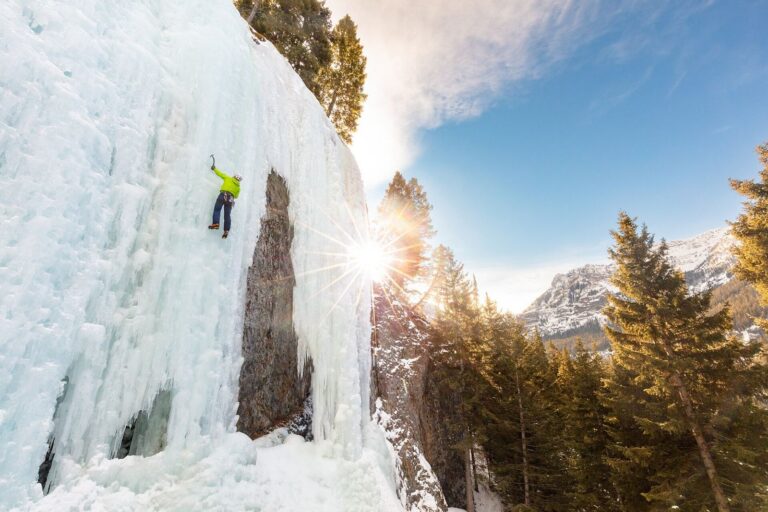
This glacially carved canyon south of Bozeman provides easy access to dramatic waterfalls, alpine lakes, and climbing areas. Palisade Falls offers an accessible 1-mile walk to an 80-foot waterfall. Hyalite Reservoir is popular for kayaking, paddleboarding, and fishing in summer, ice climbing in winter.
Chico Hot Springs (90 minutes)
This historic resort in Paradise Valley features natural hot spring pools, a excellent restaurant, and stunning mountain views. The pools stay open year-round. Day use costs $8.50 for adults. The drive along Highway 89 through Paradise Valley rivals any scenic route in Montana.
Virginia City and Nevada City (90 minutes)
These preserved gold rush ghost towns offer a glimpse into 1860s Montana mining life. Virginia City maintains dozens of original buildings, boardwalks, and active businesses. From June through August, the Virginia City Players perform old-time melodramas. It’s a fun, quirky day trip especially for history enthusiasts.
For detailed itineraries and insider tips, see our full guide to day trips from Bozeman.

Practical Information: Costs, Tips, and What to Pack
Budget and Costs
Bozeman is no longer the affordable mountain town it once was. Rapid growth has driven prices up significantly. Here’s what to expect for daily costs:
- Lodging: $150-400/night for hotels (higher in summer), $100-300/night for vacation rentals
- Meals: $12-18 breakfast, $15-25 lunch, $25-50 dinner per person at mid-range restaurants
- Activities: Free-$100+ (hiking is free, guided fly fishing $400-600/day, Museum of the Rockies $15)
- Transportation: $50-100/day rental car, $4/day gas within town, more for day trips
A couple visiting for 3 nights/4 days should budget $1,500-2,500 including flights. Solo travelers can manage on $800-1,200 for the same timeframe by staying in budget hotels and cooking some meals.
For a complete breakdown by travel style and season, read our detailed guide to Bozeman travel costs.
What to Pack
Weather in Bozeman can change dramatically in hours. Layer your clothing and prepare for 30-degree temperature swings from morning to afternoon.
Year-round essentials:
- Sunscreen (SPF 30+) and sunglasses—high elevation means intense UV
- Reusable water bottle—stay hydrated at 4,800 feet elevation
- Light rain jacket
- Comfortable walking shoes
- Hat and light fleece or sweater for cool mornings/evenings
Summer additions: Hiking boots, swimsuit for hot springs, insect repellent (mosquitoes peak in July), warm layer for evenings (50s°F)
Winter additions: Insulated jacket, snow boots with traction, warm hat and gloves, ski gear if bringing your own
Altitude Considerations
Bozeman sits at 4,820 feet elevation, with surrounding trails climbing to 7,000-9,000 feet. Many visitors experience mild altitude effects: headache, fatigue, or shortness of breath. Drink extra water, limit alcohol the first day, and take it easy on your first hike. Symptoms usually resolve within 24-48 hours as your body acclimates.
Wildlife Safety
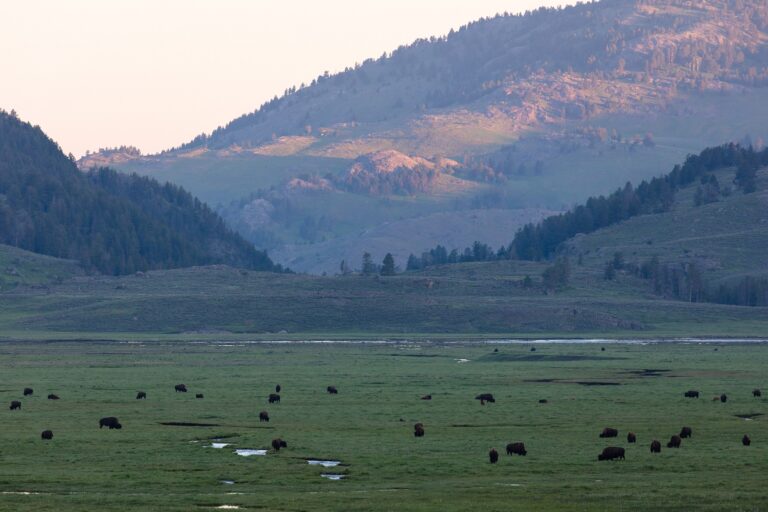
Grizzly bears and black bears inhabit areas around Bozeman. When hiking, carry bear spray, make noise on trails, and never approach wildlife. In Yellowstone, maintain at least 100 yards from bears and wolves, 25 yards from bison and elk. Bison cause more injuries than any other Yellowstone animal—they’re fast and unpredictable despite looking docile.
Sample Bozeman Itineraries
Perfect Bozeman Weekend (2 Days)
Day 1: Downtown and Culture
- Morning: Breakfast at Jam! on Main, explore Main Street shops
- Afternoon: Museum of the Rockies (3-4 hours)
- Evening: Dinner at Blackbird, drinks at rooftop bar
Day 2: Outdoor Adventure
- Morning: Hike the M Trail or Palisade Falls
- Afternoon: Drive to Hyalite Canyon, picnic by the reservoir
- Evening: Soak at Bozeman Hot Springs, casual dinner at Montana Ale Works
Bozeman to Yellowstone (3 Days)
Day 1: Arrive, explore downtown Bozeman, acclimate to elevation
Day 2: Full day in Yellowstone (north entrance—Mammoth, Lamar Valley, Tower Fall)
Day 3: Hike in Bridger Mountains or Hyalite Canyon, afternoon downtown, farewell dinner
Summer Adventure Week (5-7 Days)
Day 1: Arrive, downtown exploration, Museum of the Rockies
Day 2: Yellowstone National Park day trip
Day 3: Fly fishing with guide on Gallatin River
Day 4: Mountain biking on local trails, brewery tour
Day 5: Big Sky gondola ride and summer activities
Day 6: Hiking in Hyalite Canyon, evening at hot springs
Day 7: Virginia City day trip, final evening downtown

Where Bozeman Shines (and Where It Doesn’t)
Let’s be honest about what Bozeman does exceptionally well and where it falls short.
What Bozeman Does Best
- Outdoor access: Few cities offer this proximity to world-class recreation. You can mountain bike from your downtown hotel to alpine singletrack in 30 minutes.
- Food scene: Punches well above its weight class with exceptional restaurants and breweries
- Authenticity: Despite rapid growth, Bozeman maintains genuine Montana character
- Year-round appeal: Each season offers distinct activities and beauty
- Base camp potential: Central location for exploring Yellowstone, Glacier, and all of Montana
Honest Challenges
- Crowds: Summer brings significant tourist traffic, especially on weekends. Popular trails and restaurants get packed.
- Cost: Prices have skyrocketed. This is no longer a budget destination.
- Growth pains: Traffic, housing shortage, and development are ongoing concerns
- Limited public transit: You really need a car to explore beyond downtown
- Variable weather: Especially in spring and fall, be prepared for sudden changes
Frequently Asked Questions About Visiting Bozeman
Is Bozeman worth visiting?
Absolutely. Bozeman offers an unbeatable combination of outdoor recreation, cultural attractions, and Montana authenticity. Whether you’re an outdoor enthusiast, foodie, or family traveler, Bozeman delivers memorable experiences year-round.
How many days do you need in Bozeman?
A minimum of 2-3 days allows you to experience downtown highlights and enjoy one outdoor adventure. A week lets you explore day trips to Yellowstone and Big Sky while diving deeper into local trails and restaurants. Most visitors find 3-4 days ideal.
Is Bozeman expensive to visit?
Yes, Bozeman has become expensive compared to other Montana towns. Expect to pay $150-400/night for hotels in summer, $25-50 per person for dinners, and premium prices for outdoor activities. Budget carefully and book well in advance for best rates.
Can you visit Yellowstone from Bozeman?
Yes, Bozeman is an excellent base for visiting Yellowstone. The north entrance at Gardiner is 90 minutes south. Many visitors prefer staying in Bozeman over pricey, limited Yellowstone gateway towns. You can easily day trip to northern sections of the park.
What is the best month to visit Bozeman Montana?
September offers the best combination of weather, smaller crowds, and lower prices. June and early October are also excellent. July and August bring peak conditions but maximum crowds and costs. December through February is ideal for winter sports enthusiasts.
Do I need a car in Bozeman?
For exploring beyond downtown, yes. Downtown Bozeman is walkable, but you’ll want a car to access hiking trails, Big Sky, Yellowstone, and most outdoor activities. Uber/Lyft operate but can be expensive for day trips. Rental cars are essential for most visitors.

Start Planning Your Bozeman Adventure
Bozeman delivers on its reputation as one of the best small cities in America. Whether you’re planning a weekend escape, a Yellowstone basecamp stay, or a longer Montana exploration, this mountain town offers something special.
The key to a great Bozeman trip is matching your visit to your interests. Outdoor enthusiasts should time visits around specific activities—summer for hiking and fishing, winter for skiing. Foodies can visit year-round but should make restaurant reservations well in advance in summer. Families benefit from shoulder seasons when prices drop and attractions are less crowded.
Start by booking your accommodation 3-6 months in advance, especially for summer visits. Research specific trails, restaurants, and activities that interest you. Build in flexibility for weather changes and spontaneous discoveries. Some of our best Bozeman memories came from unplanned stops at roadside fishing access sites or chance conversations with locals at breweries.
The mountains, rivers, and endless big sky will call you back. Bozeman has that effect on people. Many visitors find themselves planning their next trip before the first one ends.

Welcome to Bozeman. The mountains are waiting.