September is the best month to visit Bozeman for most people. The summer crowds thin out once school starts, the trails are dry, Yellowstone’s roads are all open, and highs average in the low 70s. The catch is that Montana State football is back too, and on a home game Saturday the hotels fill up as fast as they do in July.
That is the thing most guides about when to visit Bozeman leave out. Bozeman is a college town (Montana State enrolled a record 17,165 students in fall 2025), so the busiest weekends are set by football, graduation, and move-in as much as by tourists. Below is the year month by month, with the weather, the crowds, what rooms cost relative to the rest of the year, and the dates worth planning around. For the rest of the trip, start with our Bozeman travel guide.
Bozeman by Month at a Glance
Temperatures are NOAA’s 1991-2020 normals for Bozeman. Crowd and price levels are relative to the rest of the year for hotels in town. Big Sky runs on its own calendar, with winter as its peak.
| Month | Avg high / low | Precip | Crowds and hotel prices | Plan around |
|---|---|---|---|---|
| January | 35°F / 14°F | 0.55 in. | Low, busier on powder weekends | Ski deals after the holidays |
| February | 38°F / 17°F | 0.54 in. | Low to moderate | Presidents’ Day weekend |
| March | 47°F / 24°F | 1.03 in. | Low | Spring skiing, spring break |
| April | 56°F / 30°F | 1.78 in. | Lowest of the year | Mud season; Yellowstone’s west side opens |
| May | 65°F / 38°F | 2.81 in. | Low, with one sold-out weekend | MSU spring commencement |
| June | 73°F / 44°F | 2.78 in. | High and climbing | Wettest stretch of the year |
| July | 83°F / 50°F | 1.41 in. | Peak | Music on Main, Fourth of July |
| August | 82°F / 48°F | 1.21 in. | Peak | Sweet Pea Festival, MSU move-in |
| September | 72°F / 40°F | 1.26 in. | Moderate, spiking on game days | MSU home football, archery season |
| October | 58°F / 32°F | 1.38 in. | Moderate | Yellowstone roads close Oct. 31, rifle opener |
| November | 43°F / 21°F | 0.90 in. | Low, except one weekend | Brawl of the Wild (in Bozeman in 2026) |
| December | 33°F / 12°F | 0.54 in. | Low, then high over the holidays | Christmas Stroll, fall commencement |
The Weekends That Fill Every Hotel in Town
Bozeman’s room prices follow the tourist seasons in broad strokes, but a handful of single weekends break the pattern. A February trip is cheap unless it lands on Presidents’ Day. A September trip is a good deal unless the Bobcats are home. If your dates are flexible, check these before you book anything.
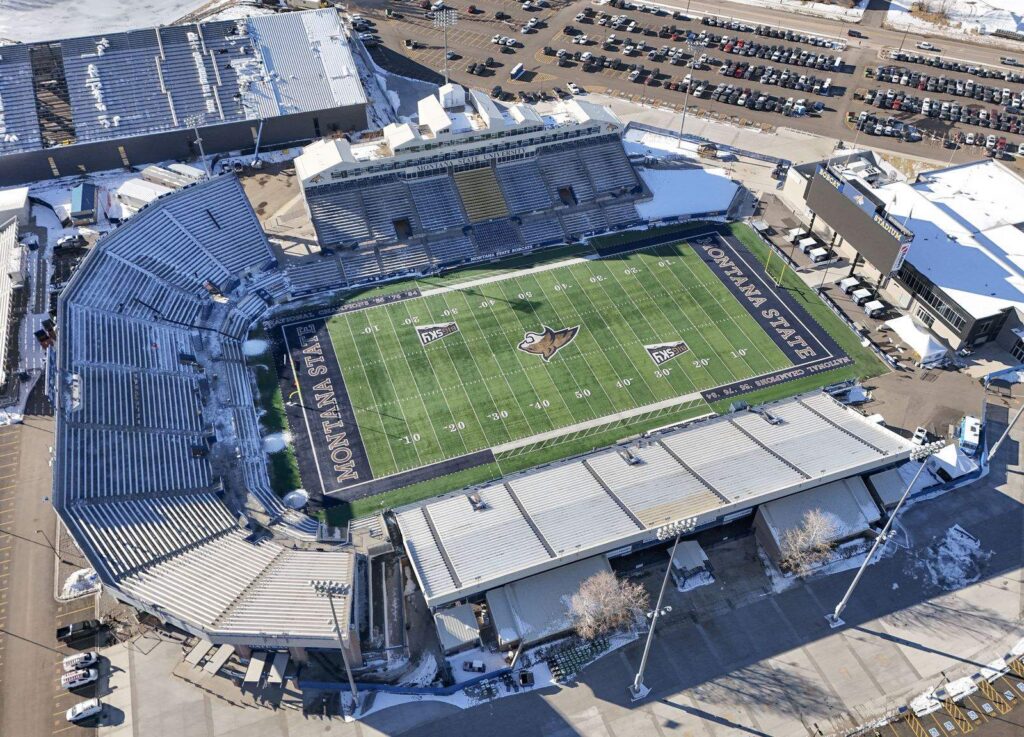
Montana State football home games
Bobcat Stadium sits on the south side of campus, and home games bring in fans, alumni, and visiting families from across the state. Rooms near campus and downtown go first, and prices on a game Saturday can run well above the Saturday before or after. Here is the 2026 home schedule:
- Sept. 5: Butler (Gold Rush game, 6:30 p.m.)
- Sept. 19: Central Connecticut State
- Sept. 26: Northern Arizona (Homecoming, 8:30 p.m.)
- Oct. 24: Weber State (Parent/Family Weekend)
- Oct. 31: Cal Poly
- Nov. 21: Montana, the Brawl of the Wild (noon)
Two of those deserve a warning. Homecoming brings alumni back on top of the usual game crowd. And the Cat-Griz game against the University of Montana is the rivalry the whole state plans its fall around. In 2026 it’s in Bozeman, so if you don’t have a ticket and a room already, pick another weekend.
Oct. 24, 2026 stacks three things on one Saturday: a home game, MSU’s Parent/Family Weekend, and the opening day of Montana’s general rifle season for deer and elk. Book that weekend early or skip it.
MSU graduation
Montana State holds two commencements a year at the Brick Breeden Fieldhouse, and both fill the town with families who booked months ahead. According to MSU’s commencement office, fall 2026 commencement is Friday, Dec. 18, 2026. Spring 2027 has a graduate ceremony on Monday, May 3, and the undergraduate ceremonies on Friday, May 7. If you’re not part of a graduating family, avoid the weekend of May 7.
Holidays and festivals
The week between Christmas and New Year’s is the busiest stretch of the ski season. Presidents’ Day weekend and spring break weeks fill the ski areas, especially Big Sky. In summer, the Fourth of July and the Sweet Pea Festival weekend in early August are the tightest.
January Through March: Ski Season at Lower Prices
Winter is Bozeman’s second season, and it costs less in town than summer does. Highs sit in the mid-30s in January, nights drop to the teens, and an arctic front usually pushes things below zero for a few days at least once a winter. The town gets less snow than visitors expect (about 9 inches in an average January), because the mountains catch most of it.
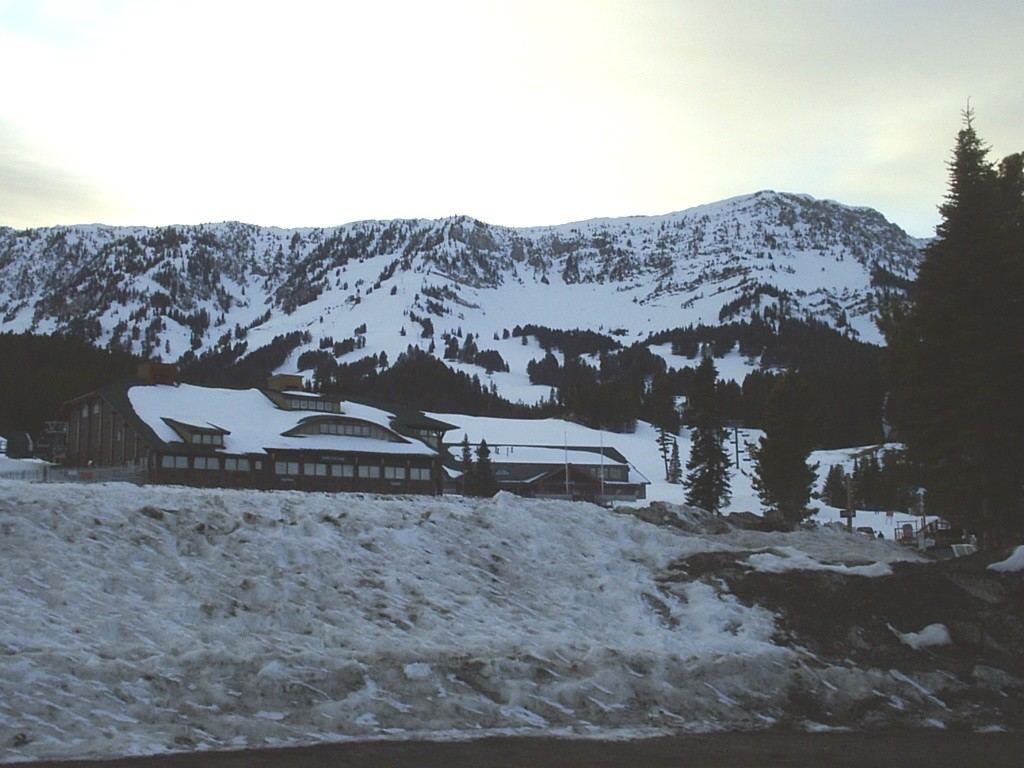
January is the value month. The holiday crowds are gone, and Visit Bozeman points to January for deals on lift tickets, hotels, and airfare before Presidents’ Day and spring break. Bridger Bowl, about 16 miles up Bridger Canyon, is the local hill. Big Sky is an hour south.
February brings slightly longer days and the same skiing. The one weekend to watch is Presidents’ Day, when the ski areas and Big Sky lodging get busy.
March is spring skiing, softer snow, and some of the lowest hotel rates of the winter. Around St. Patrick’s Day, Bozeman holds the Run to the Pub race. By late March the snow in town is mostly gone and the first mud shows up on the low trails.
Our Bozeman in winter guide has 2026-27 lift ticket prices for both ski areas, the Yellowstone snowcoach season, hot springs, and what winter driving here involves.
April and May: Mud Season
Locals call it mud season, and it’s an honest name. The snow melts off the foothills, the ski areas close, the high country is still buried, and a 65-degree day can be followed by a spring snowstorm. May is the wettest month of the year in Bozeman, with June right behind it.
Here’s what that means on the ground. Low trails near town turn to mud first and dry out first. Higher trails in Hyalite Canyon and the Bridgers hold snow well into spring. Hiking on a soaked trail tears it up, and stepping around the mud widens it, so if a trail is sloppy, pick a drier one or come back in a week. Rivers rise and cloud up with snowmelt in late May and June, which makes them a poor bet for floating or wading.
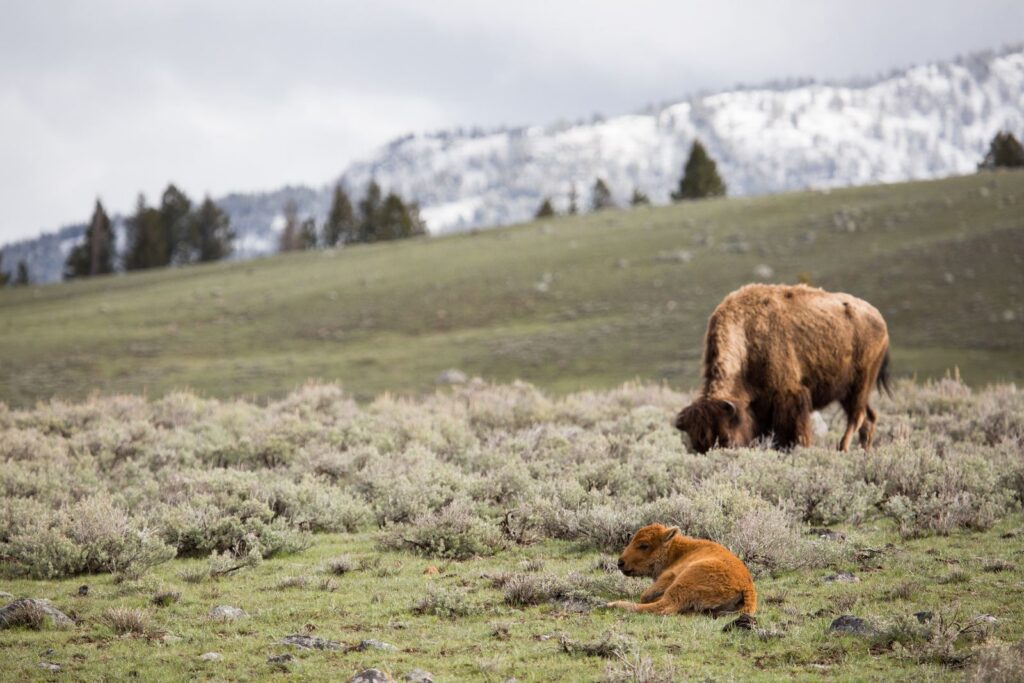
The upside is real. April has the lowest hotel rates of the year, restaurants downtown have open tables, and Yellowstone wakes up. In 2026, the National Park Service opened the West Entrance road to Old Faithful, plus Mammoth to Norris and Norris to Canyon, on April 17. The East Entrance followed on May 1, the South Entrance on May 8, and Dunraven Pass and the Beartooth Highway on May 22. The road from the North Entrance at Gardiner to Lamar Valley stays open all year. Spring is when bison calves and other newborns show up in the park, and Yellowstone is far quieter in April and May than it will be in July. For the drives themselves, see our day trips from Bozeman.
Before the West Entrance opens to cars, Yellowstone usually opens some roads to bicycles only for a few weeks. The park posts those dates each spring.
One weekend in May breaks the cheap-season pattern: MSU’s spring commencement. In 2027 the undergraduate ceremonies are Friday, May 7. Hotel rooms that weekend sell out months in advance.
June: Green, Wet, and Filling Up
June looks like summer and sometimes acts like spring. It averages almost as much rain as May, afternoon storms are common, and the higher trails can still have snow early in the month. The valley is as green as it gets all year, though, and the long days (the sun doesn’t set until after 9 p.m. around the solstice) give you a lot of hiking time.
Prices climb through the month as Yellowstone traffic picks up. Early June is the better deal, and the second half of June starts to feel like peak season.
July and August: Peak Season
July is Bozeman’s warmest month, with an average high of 83 degrees and cool nights around 50. Every trail is open, and Yellowstone, Big Sky’s summer lifts, and the rivers are all at their best. This is also when Bozeman is most crowded and most expensive. Hotels sell out, the popular trailheads get crowded on weekends, and you’ll want dinner reservations downtown. The best hikes in Bozeman guide lists which trails get busiest.
Two events are worth building a trip around. Music on Main is a free concert on Main Street between Rouse and Black Avenues on Thursday evenings. In 2026 it ran six Thursdays, July 2 through Aug. 6, from 6:30 to 8:30 p.m., according to the Downtown Bozeman Association. The Sweet Pea Festival is Bozeman’s big arts festival, held in Lindley Park. The 2026 festival ran Aug. 7-9 (see the Sweet Pea Festival site for next year’s dates).
Late summer has one honest downside: wildfire smoke. Some years it hardly shows up, and in others it hazes the mountains for days in August. If you’re coming for views, keep your plans flexible and check air quality the week before.
Late August is also when MSU students move back, and rooms near campus get tight that week.
September: The Best Month, With One Catch
September has summer’s trails without summer’s crowds. Highs average 72 degrees, nights fall to around 40, the mosquitoes are gone, and the aspens and cottonwoods start turning late in the month. Every Yellowstone road is still open, and fall is the elk rut, when bulls bugle around Mammoth Hot Springs. Families with school-age kids are home, so the park and the trailheads are noticeably calmer than in August.
The catch is football. Three of MSU’s six 2026 home games fell in September, including Homecoming on Sept. 26. Book a weekday stay, or check the Bobcats schedule before you pick a weekend. Archery season opens in early September too (Sept. 5 in 2026, per Montana FWP), so expect to share some trailheads with bowhunters.
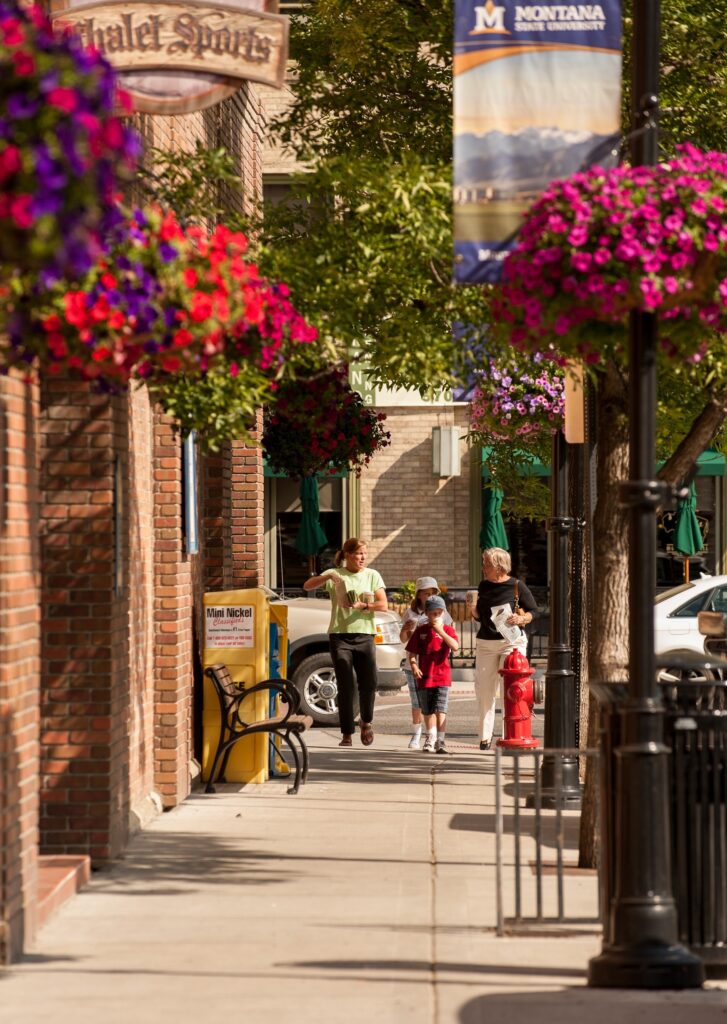
If the town is your priority over the park, the restaurant scene is in full swing once students return. Our things to do in Bozeman list covers what’s open and worth your time.
October: Last Call for Yellowstone
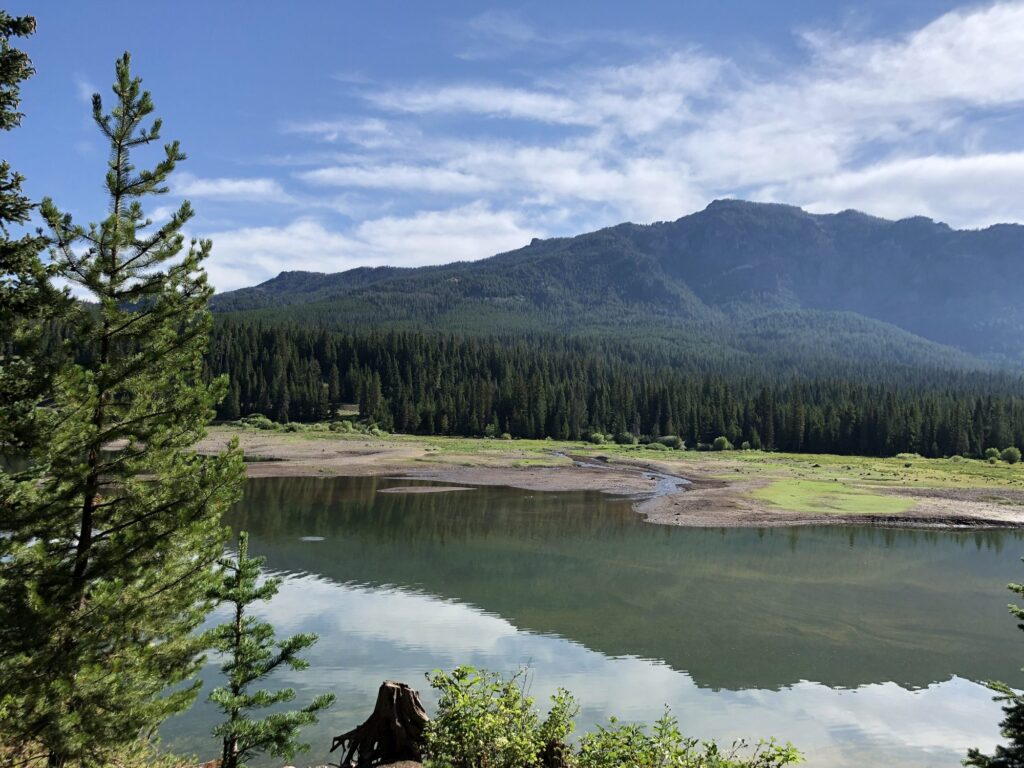
October is a gamble on weather and a good bet on crowds. Highs average 58 degrees, but the first snow in town often comes this month, and the passes can close sooner than the calendar says. In 2026, Dunraven Pass and the Beartooth Highway were scheduled to close Oct. 12, and most of Yellowstone’s other roads closed to cars on Oct. 31. After that, only the North Entrance road to Lamar Valley stays open.
Early October brings the Bridger Raptor Festival (Oct. 3-4 in 2026), based at Bridger Bowl’s Jim Bridger Lodge. It’s free, and it’s timed to the golden eagle migration along the Bridger ridge. Downtown businesses hold trick-or-treating the afternoon before Halloween (Oct. 30 in 2026).
Watch the late-October weekends. In 2026, Oct. 24 has a home game, Parent/Family Weekend, and the rifle opener. Oct. 31 has another home game.
November: The Quiet Month
November is the slowest month in Bozeman. Most of Yellowstone is closed, the ski areas aren’t open yet, and the weather is gray more often than not, with highs in the low 40s. If you want cheap rooms and don’t mind a trip built around downtown, the Museum of the Rockies, and a hot spring, it works. Our Bozeman restaurant guide fills in the evenings.
Two dates break the quiet. The Brawl of the Wild is in Bozeman on Nov. 21, 2026, and that’s the hardest weekend of the year to find a room. Big Sky Resort opens for the season on Nov. 25, 2026, the day before Thanksgiving. Rifle season runs through Nov. 29.
December: Quiet Until the Holidays
Early December is one of the cheapest times of the year to stay in town, and it has some of the best small-town events. The Christmas Stroll fills Main Street on Saturday, Dec. 5, 2026, from 4:30 to 7:30 p.m. The Bozeman Ice Festival brings climbers to Hyalite Canyon Dec. 9 to 13, 2026. Yellowstone’s winter season, by snowcoach and snowmobile, starts Dec. 15. Bridger Bowl usually opens in December once there’s enough snow; check bridgerbowl.com for this season’s date.
Then it fills up. Fall commencement is Friday, Dec. 18, 2026, and the week between Christmas and New Year’s is the busiest and most expensive stretch of the ski season, especially at Big Sky.
The Best Time to Visit Bozeman, by Trip
- First trip, hiking, and Yellowstone: mid-September, on weekdays or a weekend without a home game.
- Warmest weather and every trail open: mid-July through August. Book early and expect crowds.
- Skiing on a budget: January after the holidays, or March.
- Cheapest rooms: April and November, if you can live with mud or gray skies.
- Yellowstone wildlife without the crowds: May, through the North Entrance.
- A Bobcats game: any home Saturday. Book your room when you buy your ticket.
Once you have your dates, our guide to where to stay in Bozeman breaks down the neighborhoods, including the South Side near campus for game weekends. For a trip that covers more of the state, see the best time to visit Montana.
Frequently Asked Questions
What is the best month to visit Bozeman?
September, for most visitors. The weather is warm and dry, Yellowstone is fully open, and the summer crowds are gone. Avoid MSU home football weekends if you want lower hotel prices.
When is mud season in Bozeman?
Roughly late March through May, and into June on higher trails. Low trails near town dry out first. May and June are the wettest months of the year, and rivers run high and murky with snowmelt in late May and June.
Are hotels in Bozeman more expensive on MSU weekends?
Yes. Home football Saturdays, Homecoming, the Brawl of the Wild when it’s in Bozeman, and the May and December commencement weekends fill hotels across town and push rates up. Check the Bobcats schedule and MSU’s commencement dates before you book.
When do Yellowstone’s roads open near Bozeman?
The North Entrance road from Gardiner to Lamar Valley is open all year. In 2026, the West Entrance road to Old Faithful opened April 17, and most park roads closed to cars on Oct. 31. The Park Service posts each year’s dates on its park roads page.